Oslo Or Bergen: Which Deserves Your Nights?
Two very different Norwegian cities compete for the same handful of nights, and the right answer depends less on the cities than on what you plan to do next.
 Written with Lars Hansen, Norway Tour Packages Specialist & Experience Guide
Short answer
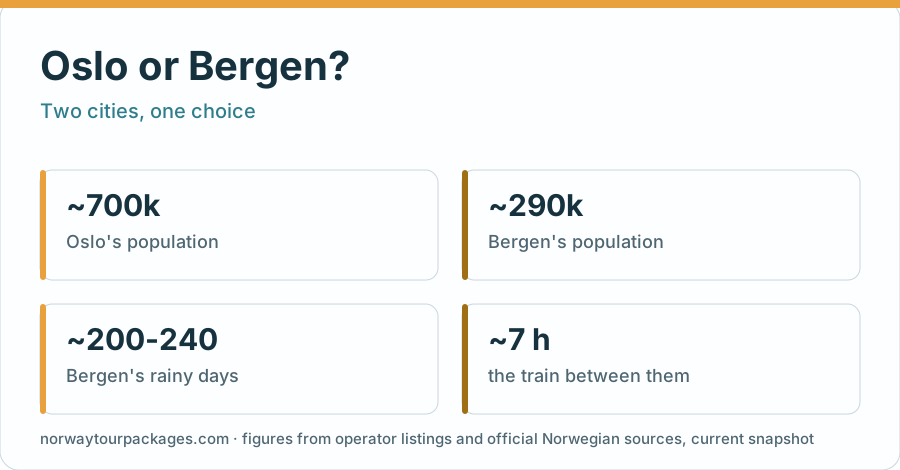
Choose Bergen for western fjord access and Oslo for museums and urban exploring. A week can include both with a scenic rail day between them; allocate six nights around your actual arrival, departure and fjord plans.
Ask ten travelers which Norwegian city they preferred and you get a clean split, usually along a single line: whether they came for a city or for what surrounds one. Oslo is a capital of just over a million people in its urban settlement, with the museums, restaurants and public transport that number implies. Bergen is a municipality of under 300,000 wrapped around a harbour, with fjord boats leaving from the middle of town and rain that has become part of the local identity. Both are worth nights. Which gets more of them is a decision you can make on evidence rather than mood.
Choose the city by the day you most want: Oslo’s museums and neighbourhoods or Bergen’s access to western fjords.
Booking choice: Mostraumen is a short Bergen fjord choice; switch to the Oslo museum route when culture is the reason for your city stay. Explore Mostraumen Fjord Cruise
Should You Choose Oslo Or Bergen?
Pick Bergen if the fjords are your reason for coming, because day cruises leave from the city harbour and the UNESCO-listed Nærøyfjord is reachable in a day. Pick Oslo for museums, food and a fuller urban week. On a seven-day first trip, do both: two nights Oslo, three nights Bergen.
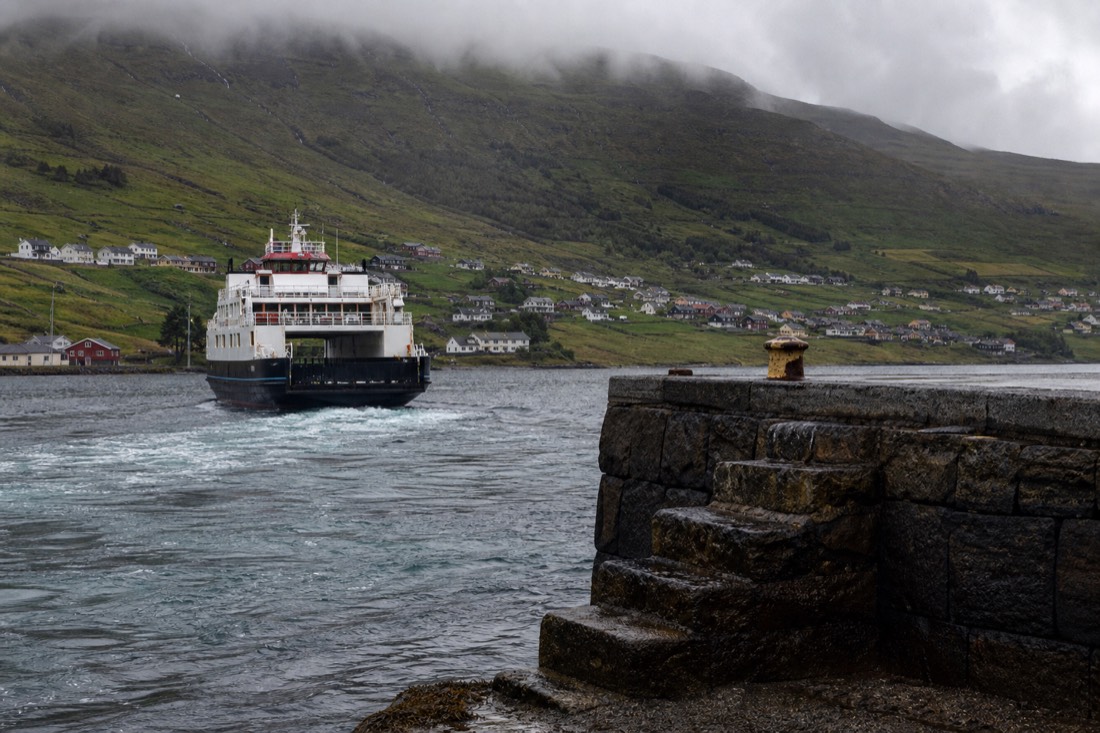
The reason the split is so clean is geography. Bergen is a gateway. Oslo is a destination. Bergen's best days involve leaving it by boat and coming back for dinner, while Oslo's best days keep you inside the city on foot and on tram. Neither is better travel, but only one of them puts you next to the scenery Norway is famous for.
| Factor | Oslo | Bergen |
|---|---|---|
| Population | 1,110,887 in the urban settlement (1 Jan 2025) | 294,860 in the municipality (start of 2026) |
| Feel | Capital city, spread out, modern waterfront | Compact harbour town, walkable core |
| Fjord access | Oslofjord cruises, no dramatic fjords nearby | Nærøyfjord, Mostraumen, Hardanger within a day |
| Nights we suggest | 2 | 3 |
| Rail link | Bergen Line, 6.5-7.5 hours between the two | Same line, other end |
How Do The Two Cities Actually Feel On The Ground?
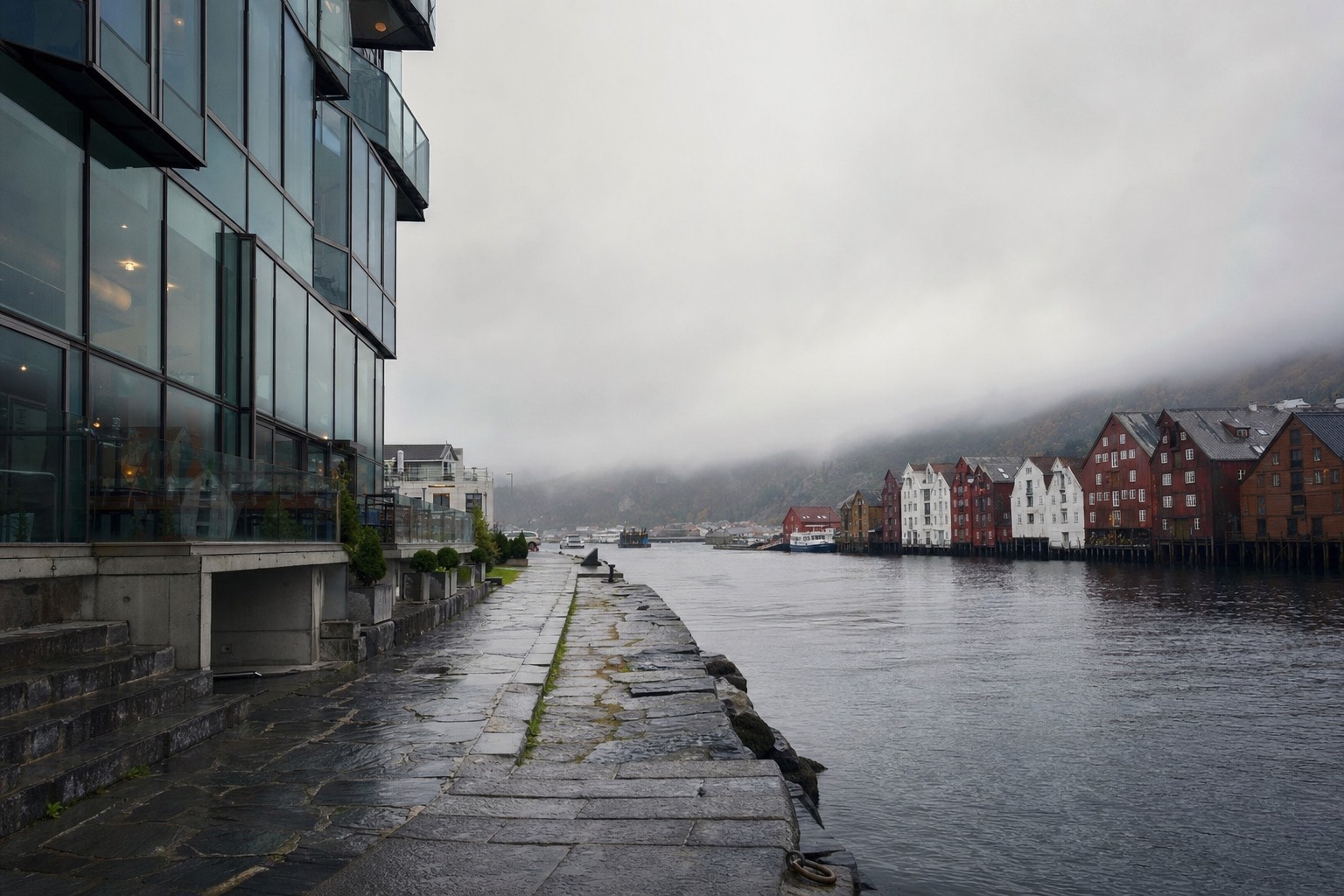
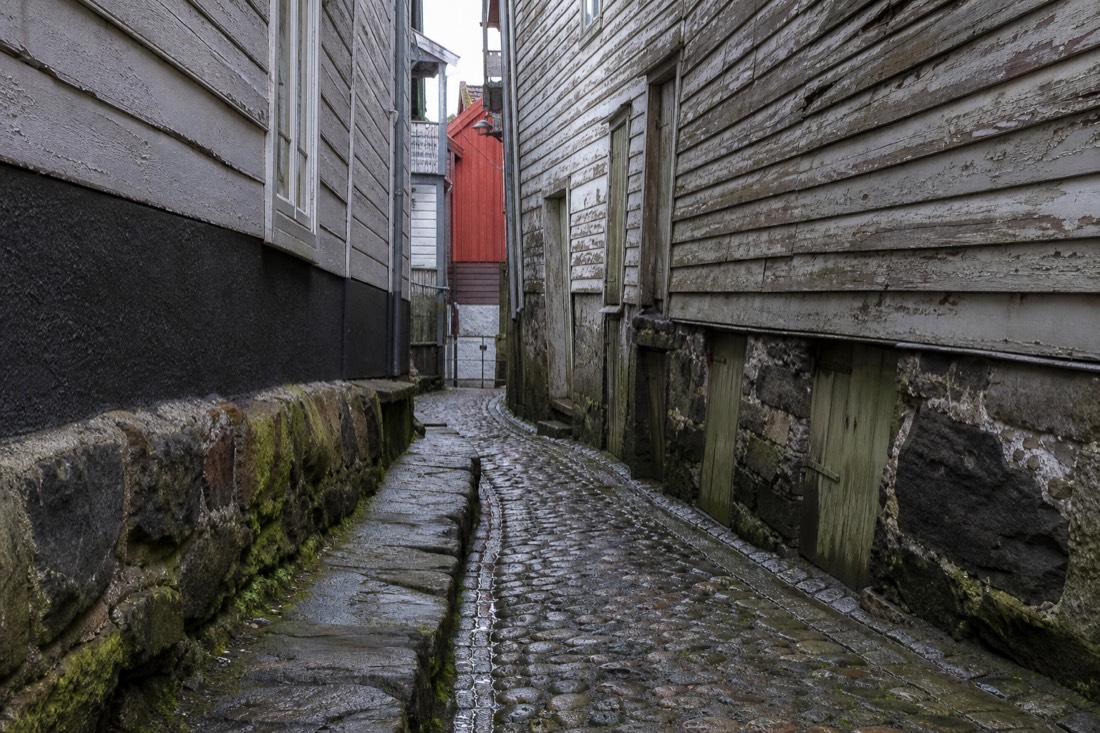
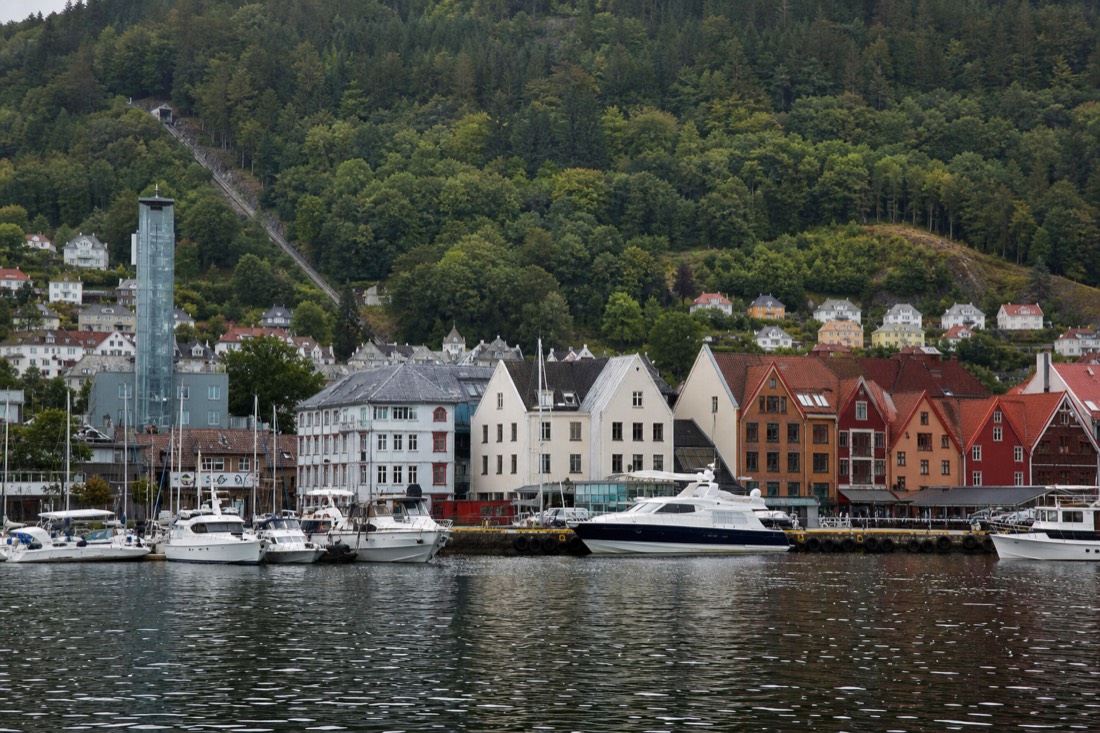
Oslo reads as a modern Nordic capital: harbour architecture, tram lines, forest at the end of the metro. Bergen reads older and tighter, with wooden warehouse fronts along Bryggen, a fish market, and mountains that close in on three sides. Bergen is walkable in a morning. Oslo is not.
Scale changes what a day feels like. In Bergen you can walk from your hotel to the fish market, up the funicular, back down and onto a boat without touching public transport. In Oslo you will use the metro or tram daily, and the city rewards that with more range: a serious opera house, a waterfront that keeps expanding, and marked forest trails at Nordmarka a short ride from the centre.
Bergen's compactness has a cost. It is small enough that three full days without leaving town starts to feel long, which is exactly why it works better as a base than a stay. The city's own tourist board at visitbergen.com leans hard on that positioning, and it is honest to do so.
For what fills the days in each, we have separate guides to things to do in Oslo and things to do in Bergen.
Which City Has Better Weather?
Oslo is drier and colder, Bergen is wetter and milder. Bergen records roughly 200 to 240 rainy days a year and between 2,250 and 2,413 mm of precipitation, among the highest in Europe. Oslo has real winters with snow and warmer, drier summers. Neither is a reason to change your plans.
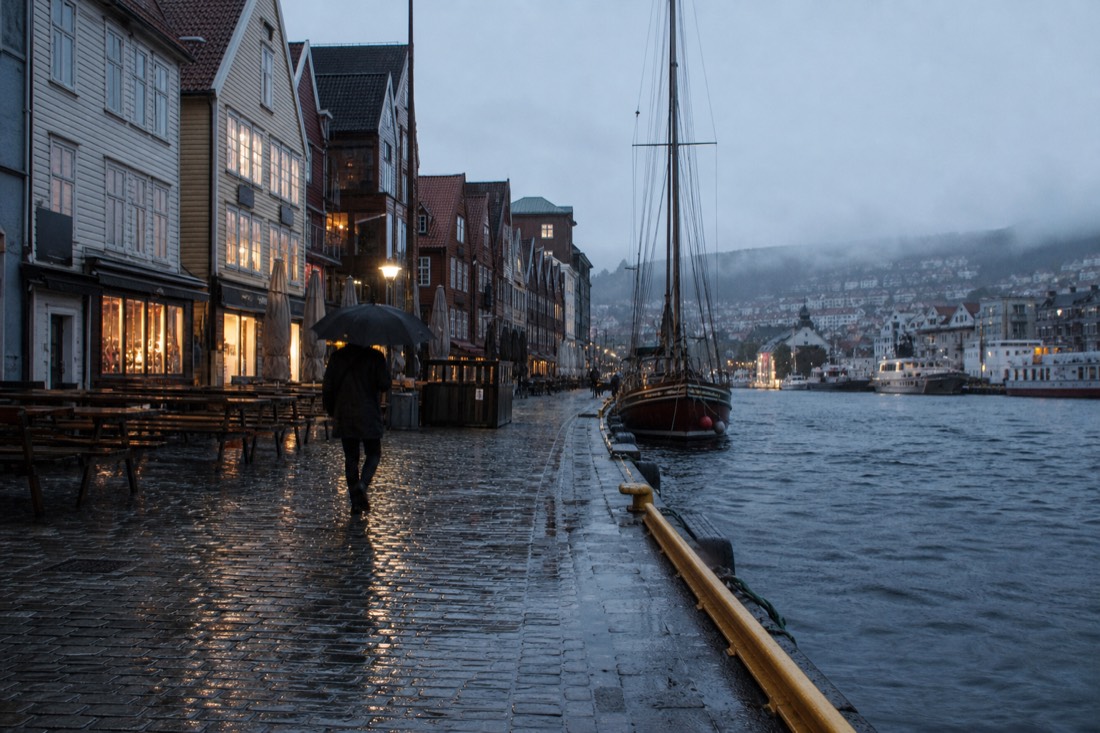
Bergen's rainfall is the one statistic every visitor hears, and it is genuinely high. What the number hides is the pattern: rain in Bergen tends to be persistent and light rather than dramatic, temperatures are moderated by the Gulf Stream, and the city carries on entirely as normal underneath it. Locals do not cancel plans for weather, and the boats sail.
| Weather factor | Oslo | Bergen |
|---|---|---|
| Rainy days per year | Noticeably fewer | Roughly 200-240 |
| Annual precipitation | Lower | 2,250-2,413 mm |
| Winter character | Colder, more snow, more reliable frost | Milder, wetter, less snow |
| Practical effect | Pack layers | Pack a real waterproof shell, not an umbrella |
Check the forecast on yr.no, run by the Norwegian Meteorological Institute, which locals actually use and which handles coastal weather better than international apps. Our piece on the rainiest month in Norway breaks the year down further, and our packing guide covers the shell-and-layers question properly.
Which Is Cheaper, Oslo Or Bergen?
Neither is cheap, and the gap is smaller than reputation suggests. Visit Norway’s indicative hotel figure is NOK 1,725; its double-with-breakfast example is dated 2024, and both cities sit at or above it in peak summer. Bergen spikes harder in July, Oslo stays steadier year-round because of business demand.
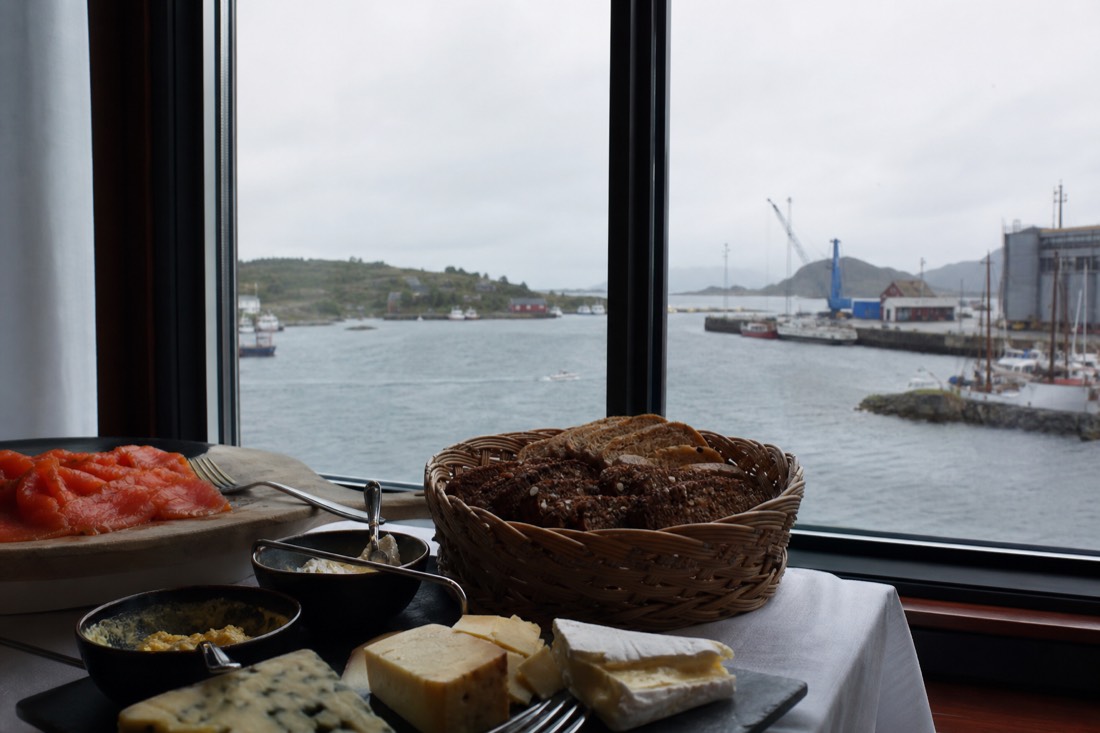
The useful difference is not the nightly rate but what the day costs after it. Oslo's museums charge entry and add up quickly, while Bergen's headline day is a boat trip, which is a larger single ticket. City passes change the arithmetic in both: Oslo Pass and Bergen Card each fold public transport and attraction discounts into one price, and both are worth pricing against your actual plan rather than buying reflexively.
| Spending line | Oslo tendency | Bergen tendency |
|---|---|---|
| Hotels | Steady demand year-round, less summer spike | Sharp summer spike, softer in winter |
| Main daily activity | Museums, several small tickets | Fjord cruise, one larger ticket |
| Getting around | Metro, tram and bus needed daily | Mostly on foot |
| City pass | Oslo Pass covers transport plus attractions | Bergen Card does the same |
If you want the full budget picture across a whole trip rather than a city, we set out day rates, hotel averages and a seven-day total in how much a trip to Norway costs.
Which City Has The Better Museums And Culture?
Oslo wins clearly on museums. Its collections, opera house and waterfront cultural district give it several days of indoor material, and Statistics Norway's own population figures explain why: it supports institutions a city of 295,000 cannot. Bergen counters with Bryggen, the composer's home at Troldhaugen and a strong live music scene.

Bergen's cultural strength is different in kind rather than smaller in quality. Bryggen's wooden quarter is a lived-in historic streetscape rather than a museum, and it is the thing most visitors photograph most. The city also runs a serious festival calendar, listed through visitbergen.com, which can turn an ordinary May week into a very busy one.
Oslo, meanwhile, has been rebuilding its waterfront around culture for over a decade, and the practical result is that a rainy Oslo day is easy to fill. A rainy Bergen day is easy to fill once, and harder the second time. The city's official listings at visitoslo.com are the fastest way to check what is open on your dates.
Which Is The Better Base For Fjords And Day Trips?
Bergen, without argument. Fjord cruises to Mostraumen leave from the city harbour, Nærøyfjord and the Flåm Railway are reachable as a long day, and Hardanger is within driving range. Oslo's fjord is a broad, gentle waterway with islands and beaches, pleasant but not the dramatic landscape people picture.
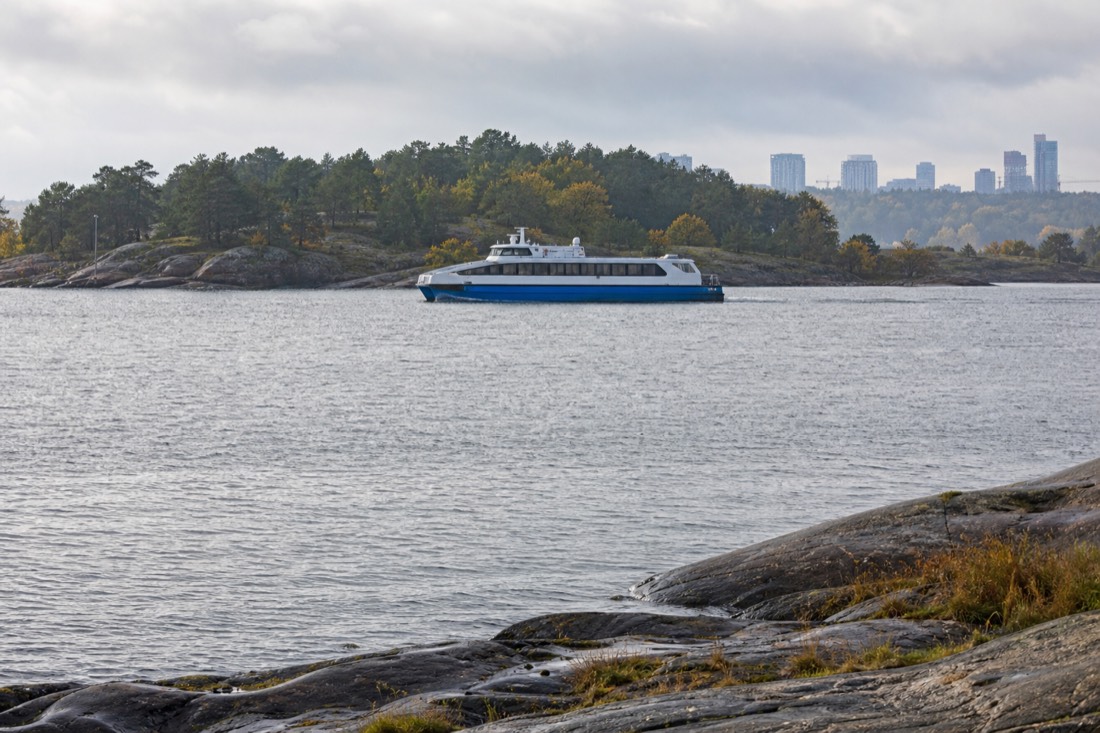
That does not make the Oslofjord a write-off. Silent electric boats now run sightseeing routes among its islands, and the contrast between a near-noiseless hull and a capital city receding behind you is the sort of thing people remember.
Related planning: fjord cruise options.
From Bergen, the options multiply fast, and we have collected the strongest ones in our guide to day trips from Bergen.
Which City Should Get Your Extra Night?
Bergen, if the weather forecast is good, because its value is entirely outdoors and time-sensitive. Oslo, if the forecast is poor, because its museums and food scene are unaffected by rain and there is more of both than one day can absorb.
Most itineraries have one flexible night in them, and the instinct is to allocate it before leaving home. Holding it until a few days out, then giving it to whichever city the forecast favours, consistently produces a better trip than deciding in advance.
| Forecast | Give the night to | Because |
|---|---|---|
| Clear and dry | Bergen | Funicular, ridge walks and fjord light are all weather-dependent |
| Persistent rain | Oslo | Museums, food halls and galleries are unaffected |
| Mixed | Bergen | The fjord cruise operates subject to conditions; the city absorbs a wet morning |
| Snow and cold | Oslo | Handles winter better; Bergen turns wet rather than crisp |
Both cities reward walking more than any transport pass, and both are small enough that you will cover them on foot without planning to. That similarity is worth noting because it means the choice between them is genuinely about surroundings rather than about how the city itself functions day to day.
The practical mechanics are easy: both cities have plentiful accommodation outside July, and the Bergen Line runs 6 to 7 times a day, so shifting one night between them a few days ahead is rarely difficult.
How Different Is The Weather, Really?
Substantially. Bergen records roughly 200 to 240 rainy days a year and around 2,250 to 2,413 mm of precipitation. Oslo is drier and colder in winter, with more reliable snow and more usable clear days.
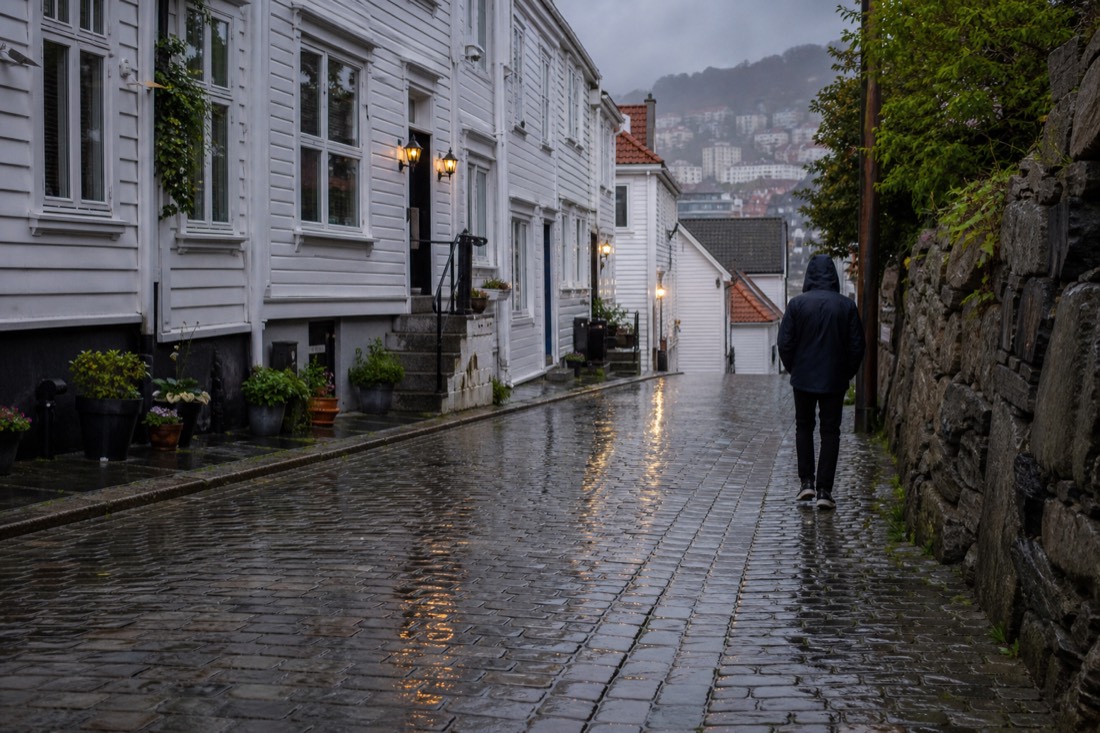
Visitors often assume Norway has one climate. Bergen sits on the Atlantic side where weather systems land first and mountains wring them out; Oslo sits inland at the head of a sheltered fjord and behaves like a continental city.
| Bergen | Oslo | |
|---|---|---|
| Rain days per year | About 200-240 | Far fewer |
| Annual precipitation | About 2,250-2,413 mm | Substantially lower |
| Winter character | Mild, wet, rarely deep-frozen | Colder, drier, more snow |
| Summer | Cool and changeable | Warmer, more settled |
| Practical effect | Plan indoor and boat options | Outdoor plans hold more often |
Public transport runs late in Oslo and more sparsely in Bergen, so check your own route home; both centres are compact, but accommodation can be farther away.
Use ordinary city precautions, particularly when returning late.
Nightlife and evening options are another quiet difference. Oslo has the depth you would expect of a capital, with a wide range of restaurants, bars and venues open late, while Bergen's evening scene is smaller and closes earlier outside the summer season. For travellers who value the evening as much as the day, that gap is worth factoring in.
Airport access differs in a way that matters at the end of a trip. Oslo has by far the wider long-haul network, so departing from there usually means fewer connections and cheaper fares, while flying out of Bergen often routes you through Oslo anyway. On a fixed-length trip that can quietly cost you half a day.
None of that makes Bergen a bad idea. It makes waterproofs non-optional and makes the year-round fjord cruise, with its indoor seating, the smartest booking in the city.
Can You Do Both Properly In One Trip?
Yes, and most first trips should. The Bergen Line between them is one of Norway's best experiences in its own right, 6.5 to 7.5 hours across the high plateau, so the transfer is not lost time.
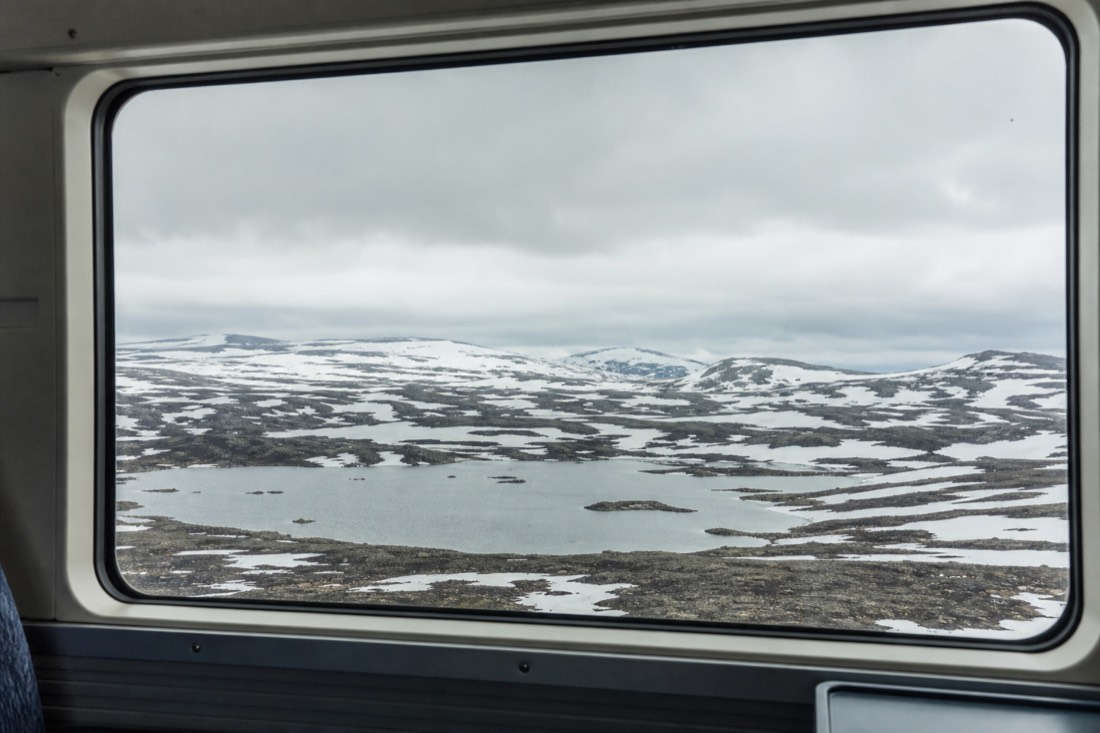
Framing this as a choice is often a false economy. The two cities sit at either end of a railway that people travel specifically to ride, which means visiting both costs you a day you would arguably want to spend anyway.
| Approach | Days needed | Verdict |
|---|---|---|
| Oslo only | 2-3 | Fine for a city break, misses the fjords |
| Bergen only | 3-4 | Better if landscape is the priority |
| Both, by the Bergen Line | 6-7 | The standard first Norway trip |
| Both, by internal flight | 5-6 | Saves a day, wastes the best train in Norway |
The last row is the one to think twice about. Flying between Oslo and Bergen saves roughly five hours and removes a highlight, which is a poor trade unless the calendar is genuinely immovable.
Which City Is Better Value For Money?
Oslo, on balance. It has more free attractions, a bigger competitive restaurant market and better public transport for the price. Bergen concentrates its value in one thing, proximity to the fjords, which is worth a great deal if that is why you came.
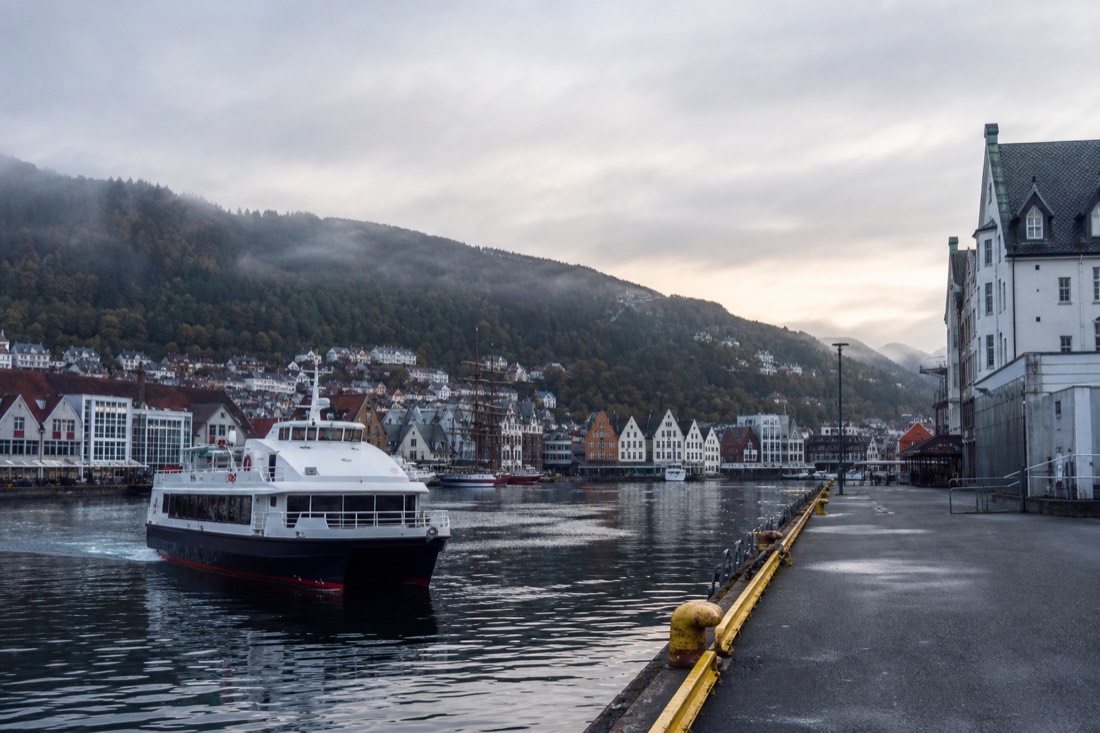
Both cities sit in the same expensive national price bracket, so value here means what you get rather than what you pay. Oslo spreads it across many options; Bergen puts almost all of it into location.
| Value factor | Oslo | Bergen |
|---|---|---|
| Free attractions | Vigeland, Opera roof, harbour, parks | Bryggen alleys, harbour walks |
| Restaurant competition | Large market, more price tiers | Smaller, more tourist-facing |
| Public transport | Extensive tram, bus and metro | Compact; you mostly walk |
| Museum quality per ticket | High and varied | Fewer, more specialised |
| Access to landscape | Its own fjord, forest | World-class fjords, immediately |
| Accommodation | More supply, more competition | Limited supply, peaks hard in summer |
Seasonality hits the two cities differently. Oslo works consistently year-round because so much of it is indoors and its winter is crisp rather than sodden. Bergen is at its best from late spring to early autumn, and a February visit is largely a wet, dark, short-day version of the same place, with the fjord trips still running.
If you genuinely can only pick one, let the season decide. Summer favours Bergen, because the fjords are the point and the weather is at its most cooperative. Winter favours Oslo, which handles cold well, keeps its museums and restaurants busy, and does not depend on a view that low cloud can erase for a week.
That last row is the practical sting. Bergen's hotel stock is small relative to summer demand, so the same standard of room routinely costs more there than in the capital during July and August.
None of which settles the question, because value is not the point of a Bergen night. You are buying a 08:00 departure onto a fjord rather than a 06:00 alarm and a train, and for most visitors that trade is worth the premium.
So Which One Should You Actually Book?
If you only have three nights in Norway, choose Bergen and spend one full day on a fjord. If you have five to seven, do both and connect them on the Bergen Line, which takes six and a half to seven and a half hours across high plateau and is itself one of the trip's better days.
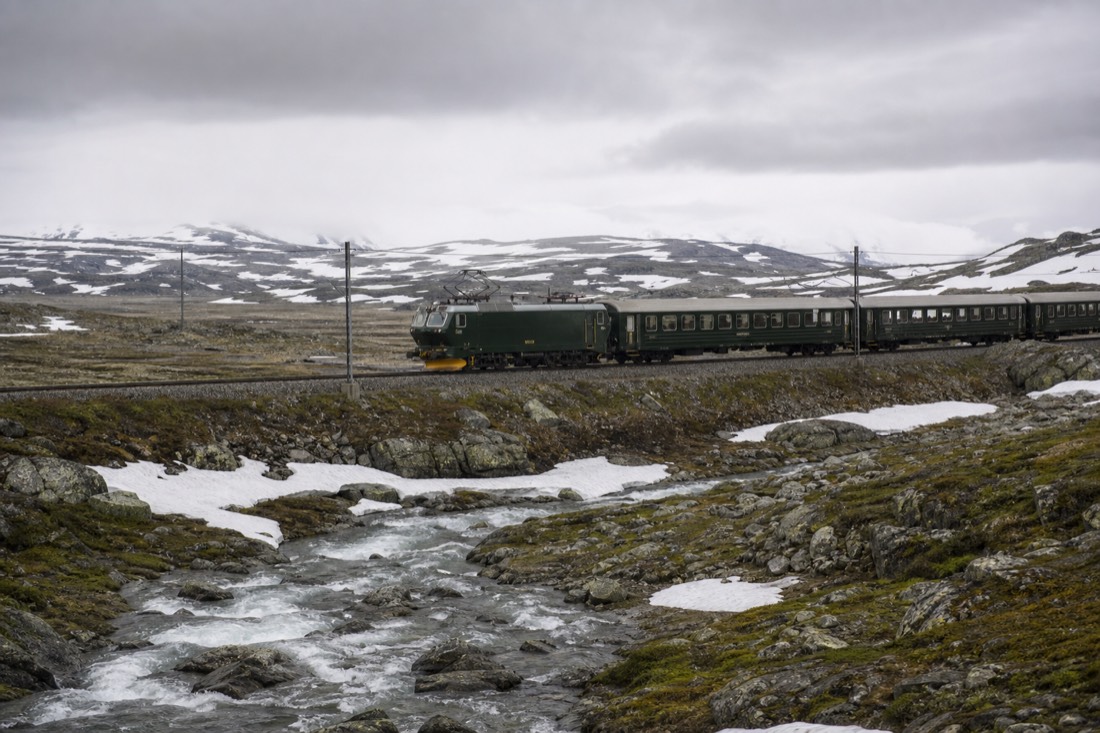
Accommodation strategy differs between them as well. Oslo's larger supply means a late booking usually finds something reasonable, while Bergen's small stock in July can leave you either paying heavily or staying well outside the centre. If your dates are fixed and summer, book Bergen first and fit Oslo around it.
The train is the part people forget to count. Treating Oslo to Bergen as travel time undersells it badly, because the middle hours cross bare high country that neither city can show you. Book it as an experience, take the morning departure, and the choice between the two cities stops being a choice at all.
| Traveler type | Our pick | Why |
|---|---|---|
| First-timer, 7 days | Both, Bergen weighted | Fjords plus one urban day |
| Short city break, 3 nights | Bergen | Water access from the harbour |
| Museum and food traveler | Oslo | Depth of collections and restaurants |
| Family with young kids | Oslo | Shorter travel days, more indoor backup |
| Hiker heading onward | Bergen | Closer to trailheads and fjord transport |
| Repeat visitor | Oslo | More left to discover on a second trip |
Choose Your Norway Experience
Mostraumen Fjord Cruise : Operated & Guided by Locals. Cruise from Bergen into Osterfjord and the narrow Mostraumen passage. Have a date in mind? Check it before arranging the rest of your Norway trip.
3 hours 30 minutes. Meet at the pier between Strandkaien Terminal and Mathallen. English audio commentary. Winter ice can require an alternative route.
Choose a date to see scheduled departures. Final availability and price are confirmed on Viator.
No verified experience fits those requirements. Adjust your choices, or keep the independent plan described above.
Compare Options And Fit Your Plans
General recommendation until you choose. Choose the city where the activity starts, not your arrival airport. Month filters describe the experience’s season, not confirmed departures. Allow travel to the meeting point as well as the listed duration. Confirm your exact option and access needs when booking.
- Oslo Discovery Tour: 5 hours 30 minutes. Combine Vigeland Park, the Fram Museum and Norwegian cultural history with a guided coach route. 5.5 hours from Haakon VIIs gate 1. Folk Museum may be replaced by Kon-Tiki on Mondays and selected October–April dates. Walking, steps and uneven ground are involved; food and hotel pickup are excluded.
- Oslo Guided Food Tour with 5 Food Tastings and a Secret Dish: 3 hours. Taste Norwegian bolle, fishcake and other local dishes on a guided Grünerløkka food walk. Meet at Olaf Ryes Plass; finish at Kulturkirken Jakob. Three hours on foot. Menu can change. Dietary requests need advance confirmation; wheelchair access is not offered.
- Food and Culture walk: 3 hours. Explore Bergen’s food and harbour history on a three-hour tasting walk, with tastings described as a small lunch. Three-hour outdoor food and culture walk in Bergen. Confirm the ticket meeting point: the listing description and meeting-point fields differ. Tastings are described as a small lunch; dietary requirements need operator confirmation.
- Guided tour - Viking Village, Nærøyfjord Cruise and Flåm Railway: 10 hours 30 minutes. Join the Nærøyfjord cruise, Flåm Railway and Viking village in one guided day. Round trip from Strandkaien 16, Bergen. Choose the English option. Food and drinks cost extra. This is a day trip, with no hotel night.
- Oslo to Bergen Self-Guided Day with Flåm Railway and Fjord Cruise: 12 hours. Travel one way from Oslo to Bergen with Flåm Railway, Nærøyfjord cruise and connecting transport tickets arranged. Self-guided, about 12 hours; start at Oslo Central Station and finish in Bergen. No overnight lodging. Tickets and instructions arrive by email. Nonrefundable; high-season departure times may shift and confirmation depends on rail seats. Select the self-guided rail option, not the private car alternative.