The Rainiest Month In Norway (And Why Bergen Owns The Title)
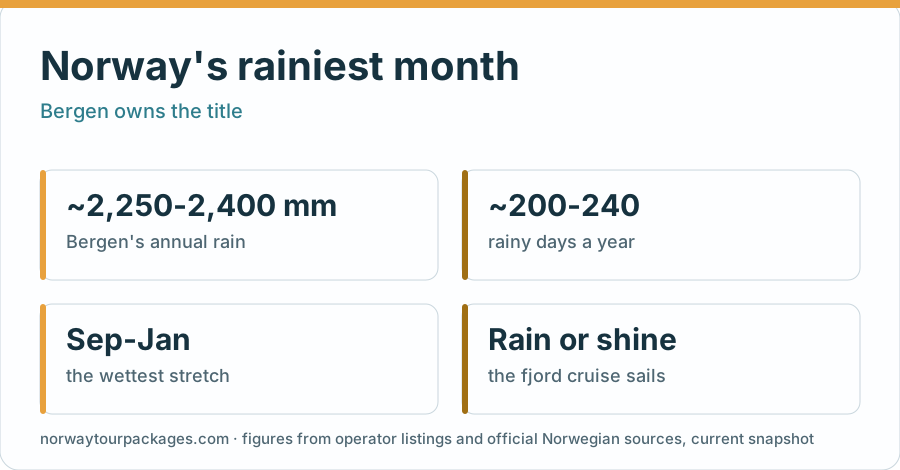
Autumn is the wettest stretch in Norway and Bergen takes the national record, with 200 to 240 rainy days a year. Here is what that means for a trip, month by month.
 By Lars Hansen, Norway Tour Packages Specialist & Experience Guide
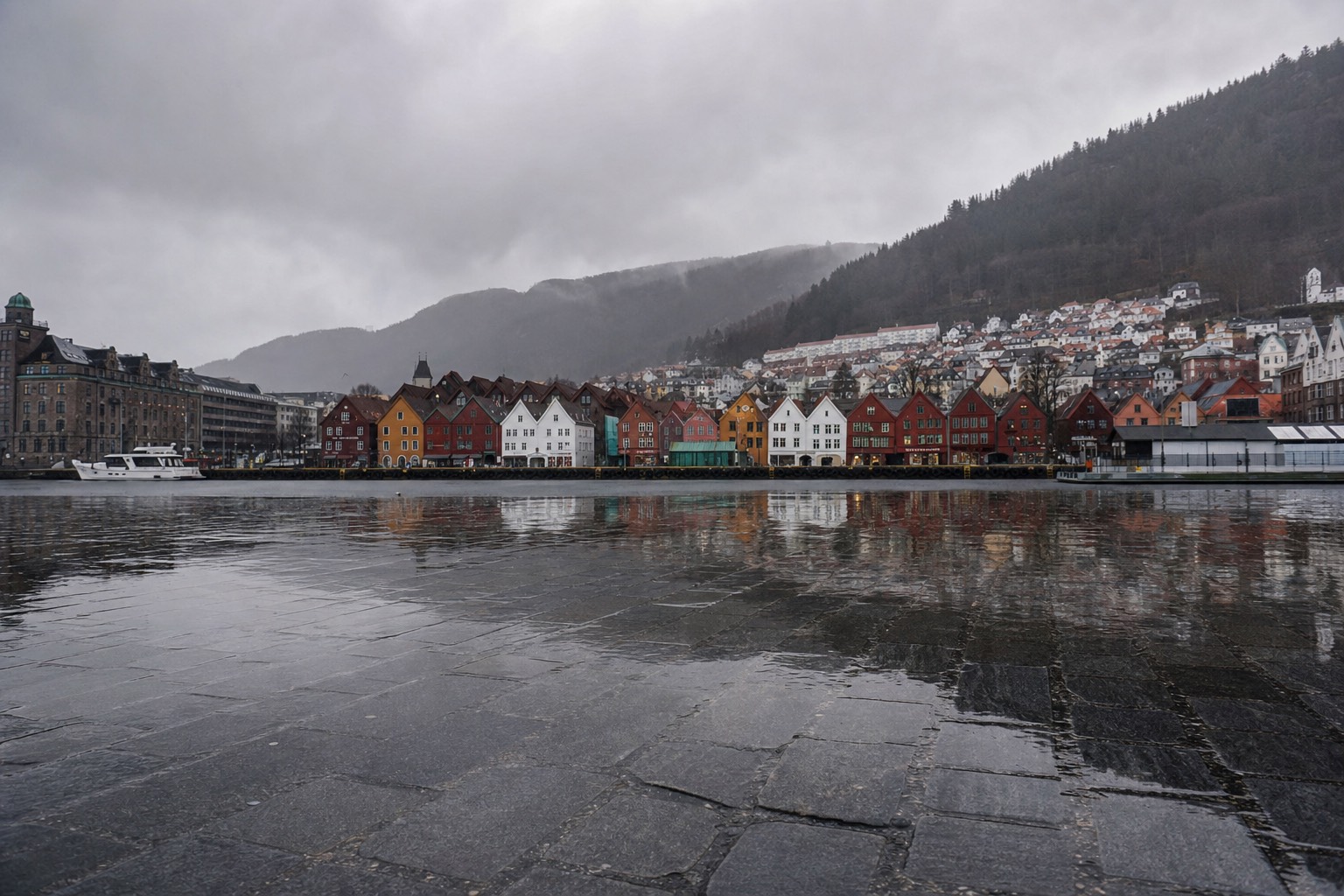
There is a vending machine at Bergen's fish market that sells umbrellas, and a widely repeated local claim that the city once went 85 consecutive days with rain. Whether or not you believe the number, the fact that Bergen residents repeat it with something close to pride explains the place. Rain here is not an interruption of the weather. It is the weather, arriving off the North Atlantic, hitting seven hills, and falling out of the sky for most of the year.
A fjord day can fit around the time and weather you have. Choose the departure city and duration before adding an experience.
Booking choice: Mostraumen combines a 3.5-hour Bergen cruise with indoor viewing. Choose Hardanger for a full waterfall day or Oslo for a museum-focused route. Explore Mostraumen Fjord Cruise
Which Month Is The Rainiest In Norway?
Autumn takes it. September, October and November are consistently the wettest months across the Norwegian west coast, when Atlantic low-pressure systems are most active and the mountains squeeze the moisture out of them. Summer is not dry either, but the autumn peak is the one that shows up in every station record.
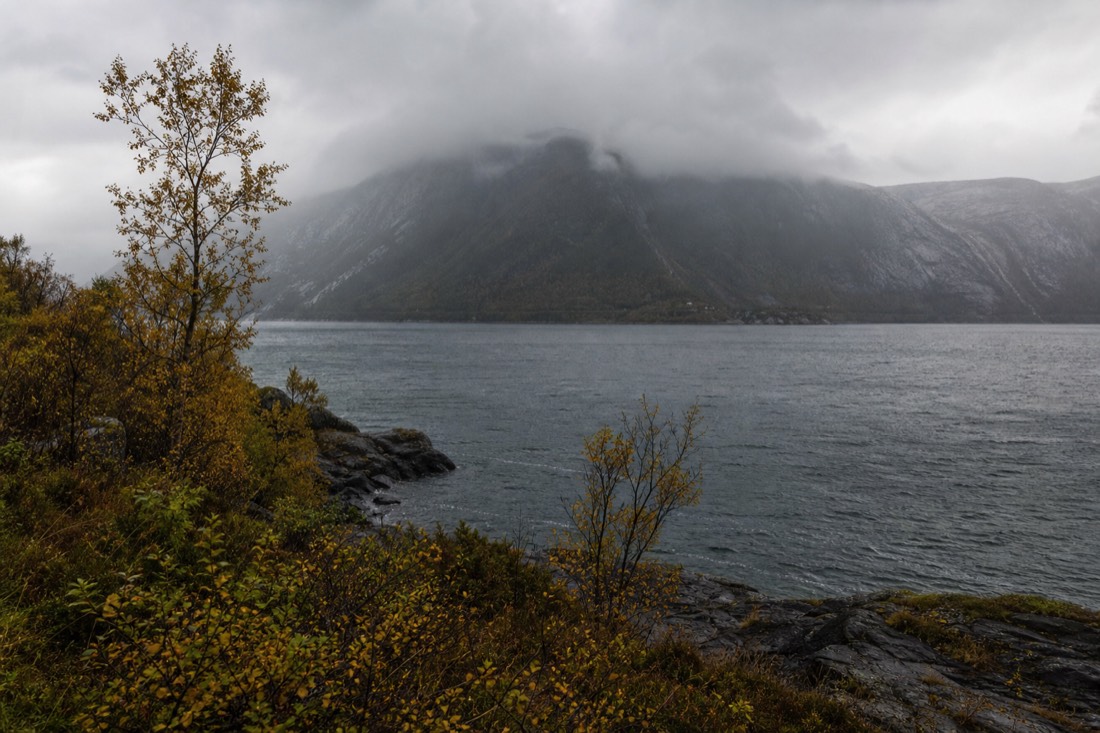
The mechanism is straightforward orographic lift. Wet air comes in off the Atlantic, meets a wall of coastal mountains, rises, cools and drops its water on the seaward side. That is why the west coast is soaked and the eastern valleys behind the same mountains are not. Autumn is when those systems come through hardest and most often.
Exact monthly totals vary by station and by year, and the Norwegian Meteorological Institute publishes the real normals through met.no and its forecast service yr.no. If you want the number for a specific town rather than a region, that is where to look, because Norway's rainfall changes over remarkably short distances.
| Period | West coast pattern | East and inland pattern |
|---|---|---|
| June to August | Frequent showers, mild, long days | Warmest and among the drier months |
| September to November | Wettest stretch of the year | Wetter than summer, still far drier than the coast |
| December to February | Wet at sea level, snow above | Cold and comparatively dry, snow rather than rain |
| March to May | Drying trend, best coastal light | Driest stretch, late snow inland |
How Wet Is Bergen, Really?
Bergen records roughly 200 to 240 rainy days a year and somewhere between 2,250 and 2,413 mm of precipitation. That is rain on more than half of all days, and several times the annual total of London or Paris. It is the wettest major city in Norway and among the wettest in Europe.
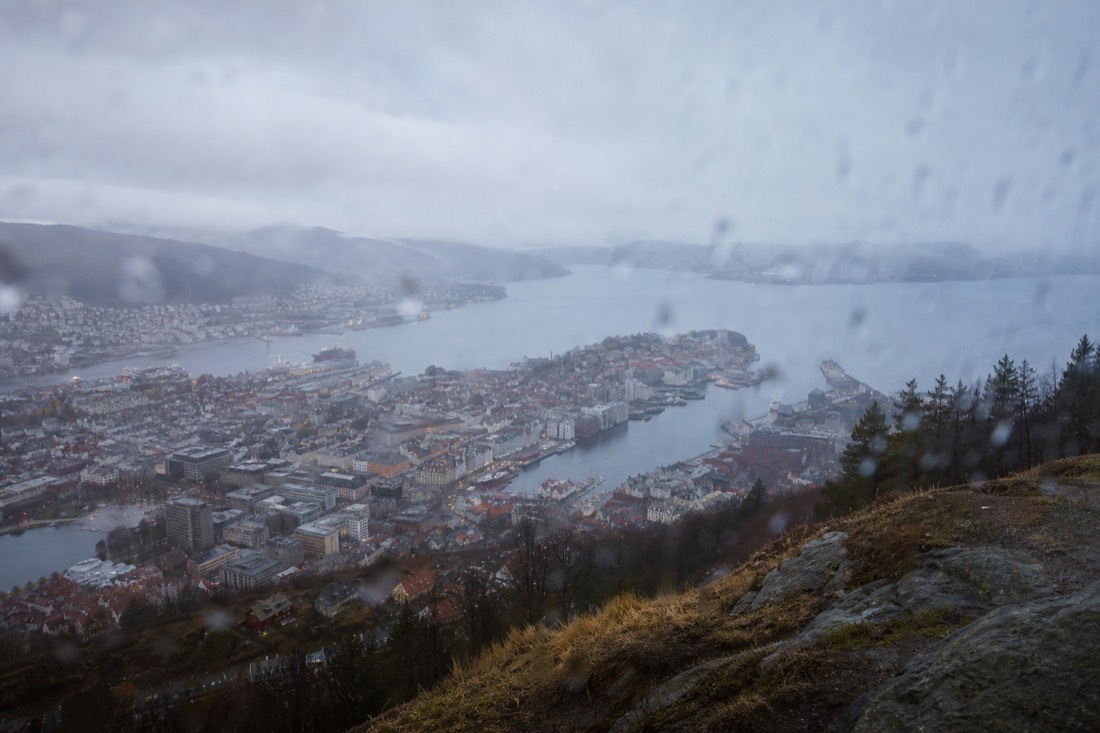
Run the arithmetic and it is stark: 200 to 240 wet days out of 365 means somewhere between 55 and 66 percent of days see rain. The city sits in a bowl of hills right where the weather arrives, and the elevation forces the moisture out. Locals do not carry umbrellas so much as wear the weather, in shells and boots, and the city's outdoor life continues regardless.
None of which makes Bergen a bad destination. The wooden wharf at Bryggen looks better wet than dry, the museums are strong, and visitBergen plans its calendar around the assumption that visitors will get rained on. What it does mean is that packing is not optional here, which our Norway packing guide covers in detail.
| Bergen measure | Figure | What it means in practice |
|---|---|---|
| Rainy days per year | About 200 to 240 | Rain on 55 to 66 percent of days |
| Annual precipitation | About 2,250 to 2,413 mm | Several times most European capitals |
| Wettest season | Autumn, September to November | Plan indoor options into those trips |
| Driest season | Spring, notably May | Best odds for clear fjord photography |
Where In Norway Stays Driest?
Behind the coastal mountains. The inland valleys of eastern Norway, particularly the rain-shadowed country around Lom and Skjåk in the Gudbrandsdalen area, are the driest inhabited parts of the country, with annual rainfall a small fraction of Bergen's. Oslo is drier than most visitors expect.
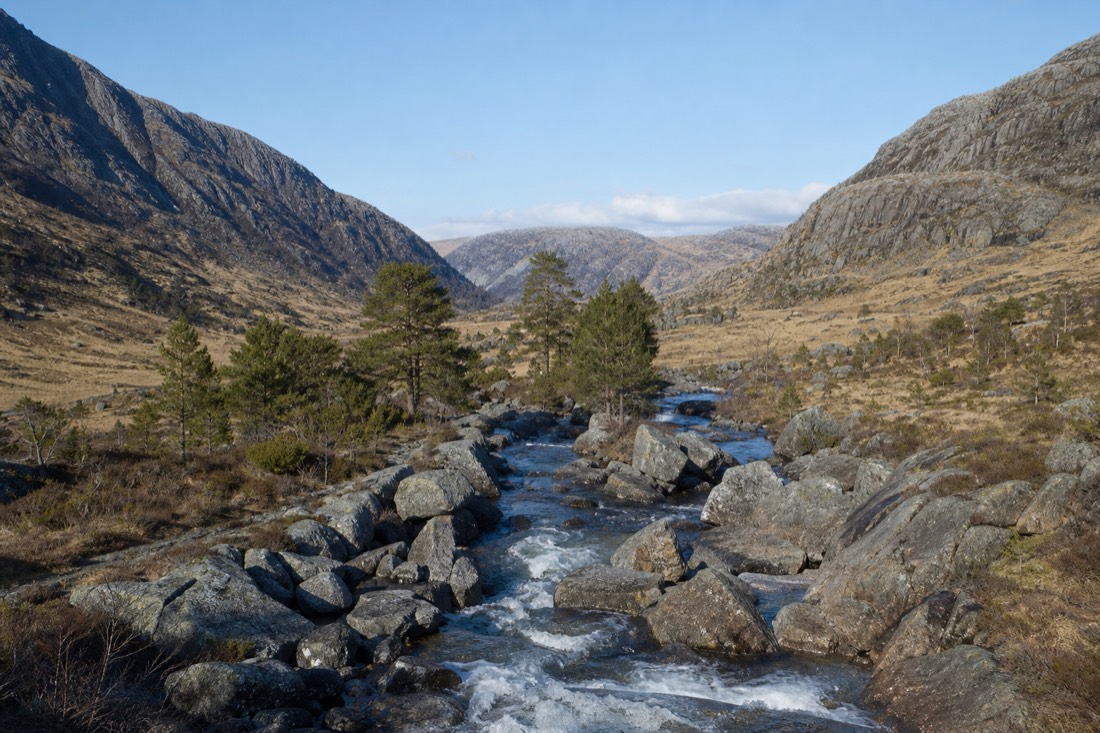
The contrast within a few hours' drive is the surprising part. Cross the mountains eastward from the fjord country and the landscape changes character: pine and birch instead of dripping moss, wide dry valleys, and sky. Anyone whose trip depends on weather odds should weight the itinerary eastward, or plan the fjord section around the shortest possible weather window rather than a fixed date.
That said, the wet coast is the reason the fjords look the way they do. Waterfalls need rain. The Norwegian landscape most people come to photograph is a product of exactly the climate they hope to avoid, and a fjord in rain, with cloud tearing across the cliff faces and every gully running white, is arguably the better version.
Does Rain Actually Spoil A Fjord Cruise?
Rarely. Most Norwegian fjord boats have heated indoor saloons with panoramic windows, and the waterfalls are at their most powerful in wet weather. Low cloud on the cliffs is atmospheric rather than disappointing. What genuinely suffers is high-altitude viewpoints and long exposed hikes.
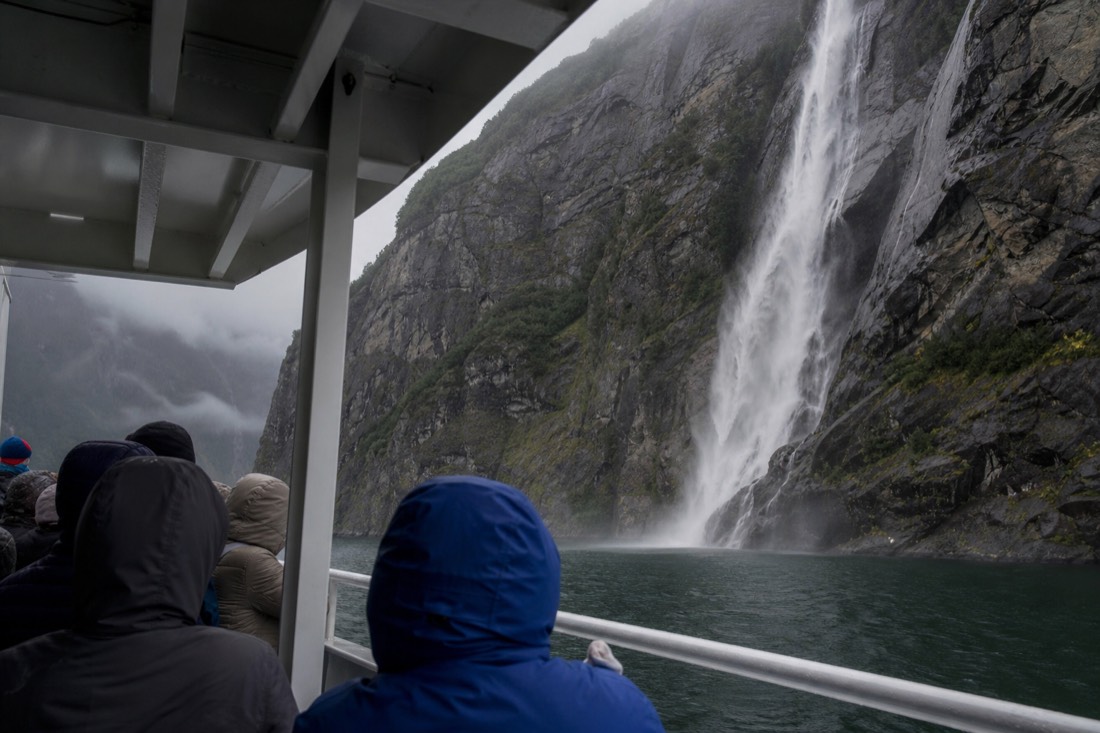
This is the key distinction for planning a wet trip: water-level activities hold up, altitude does not. A cliff-top viewpoint in cloud shows you cloud. A boat at sea level under that same cloud shows you a fjord with a ceiling, which is the classic image. Rain also thins the crowds on deck without emptying the boat.
Related planning: fjord cruises page.
| Wet-weather option | Length | Why it works in rain |
|---|---|---|
| Mostraumen fjord cruise from Bergen | 3.5 hours, year round | Heated indoor saloon, waterfalls at full flow |
| Oslo silent electric boat cruise | 2 hours | Quiet, sheltered, runs on the city fjord |
| Flåm Railway | About 1 hour each way | Entirely indoors, year round, waterfall stop |
| Bergen museums and Bryggen wharf | Half a day | Compact, walkable, partly sheltered; outdoor passages remain exposed |
What Does Norwegian Rain Actually Feel Like?
Persistent rather than dramatic. West-coast rain tends to be fine, wind-driven and continuous rather than the heavy short downpours many visitors expect, which is precisely why umbrellas fail here and hooded shells do not.
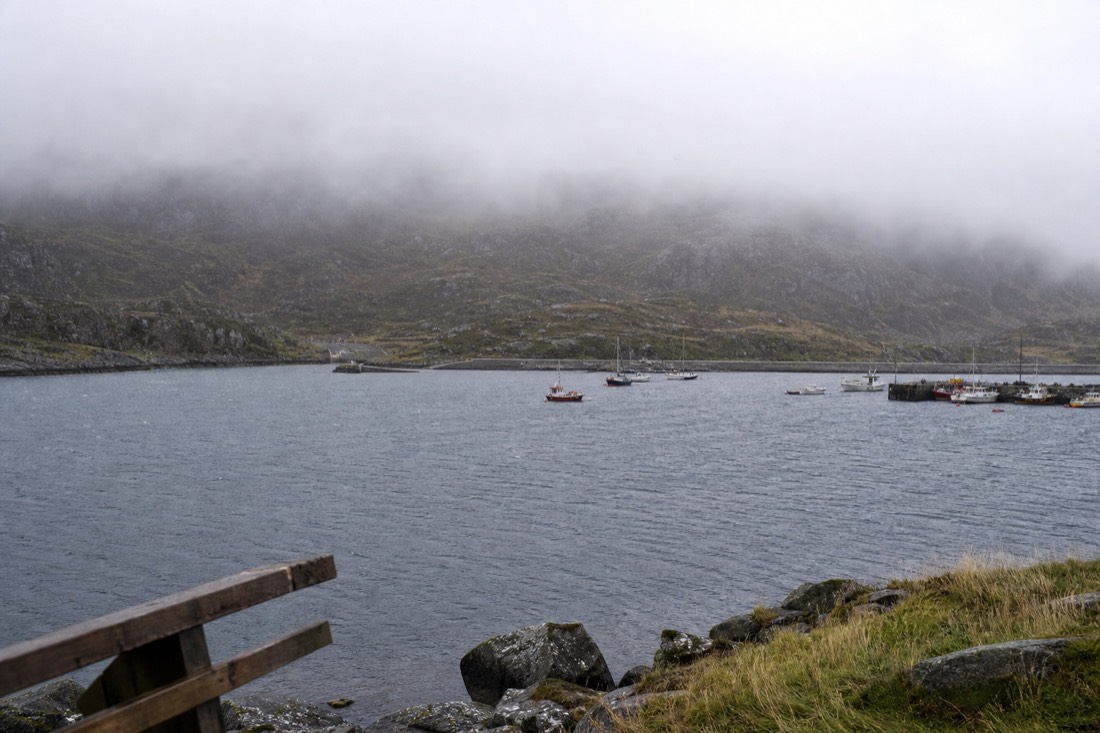
Wind is the other half of the equation, and it is what turns a manageable drizzle into something that finds every gap in your clothing.
The character of the rain matters more than the millimetres. A number like 2,250 to 2,413 mm a year sounds apocalyptic until you understand it arrives spread across 200 to 240 days as drizzle and steady wetting rather than as storms.
| What visitors expect | What Bergen delivers |
|---|---|
| Heavy downpours, then clear | Fine, steady, wind-driven rain |
| Rain stops play | Life continues unchanged |
| Umbrella weather | Wind defeats umbrellas |
| Occasional wet days | Rain as the default condition |
| Grey and gloomy always | Dramatic light between systems |
There is a practical consequence for planning as well. Because the rain is continuous rather than episodic, waiting it out inside a cafe does not work the way it does in a summer-thunderstorm climate. Locals go out in it and carry on, and visitors who adopt that approach get considerably more from a west-coast week than those who keep rescheduling.
The last row is the compensation nobody photographs. Bergen between weather systems, with low cloud tearing off the hillsides and sudden light on the harbour, is far better looking than a flat blue sky.
Which Experiences Are Actually Better In The Rain?
Waterfalls, fjord cruises and forest walks. Norwegian waterfalls run hardest in wet weather and after snowmelt, the fjord walls look their most dramatic under low cloud, and the light between showers is what photographers travel here for.
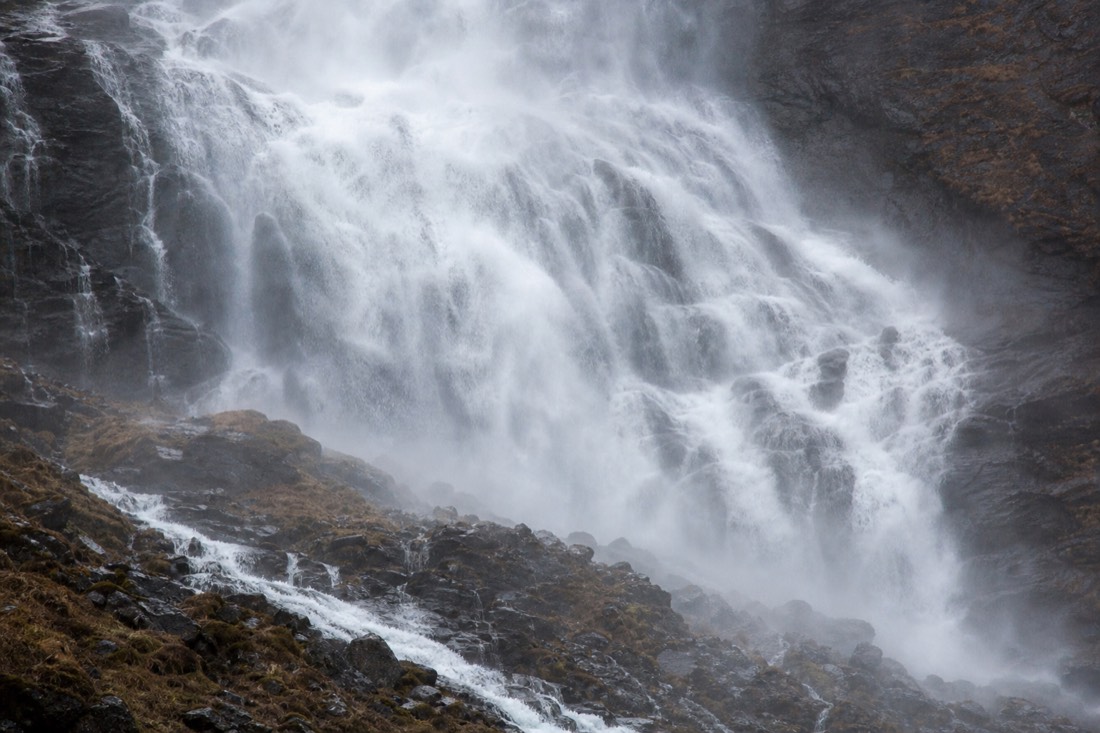
Locals plan around this rather than against it, which is why the fjord boats sail daily through the wettest months of the year and fill up while they do.
Rain in Norway is not a consolation prize for the itinerary; several of the country's signature sights genuinely improve in it. This is worth knowing before you postpone a fjord day waiting for sun that may not come.
| Experience | Effect of rain |
|---|---|
| Waterfalls | Substantially more powerful |
| Fjord cruise | Cloud on the walls adds scale and drama |
| Forest and moss landscapes | Colours saturate; this is their weather |
| Photography | Best light often sits between showers |
| Mountain viewpoints | Genuinely worse; visibility is the point |
| Long exposed hikes | Worse, and less safe on wet rock |
Worth adding that Norwegian waterfalls are at their most powerful in two windows: after sustained autumn rain, and during the spring snowmelt when meltwater from the high plateau comes down all at once. Those are also the two periods when visitors are least likely to be there.
Only the bottom two rows argue for waiting. Anything that depends on a distant view needs visibility, and lower routes also need checks for wind, flooding and slippery surfaces.
How Reliable Are Norwegian Weather Forecasts?
Good for 24 to 48 hours and unreliable beyond that on the west coast, where Atlantic systems arrive quickly. Norwegians check the forecast constantly and plan on short horizons, which is the habit worth copying.
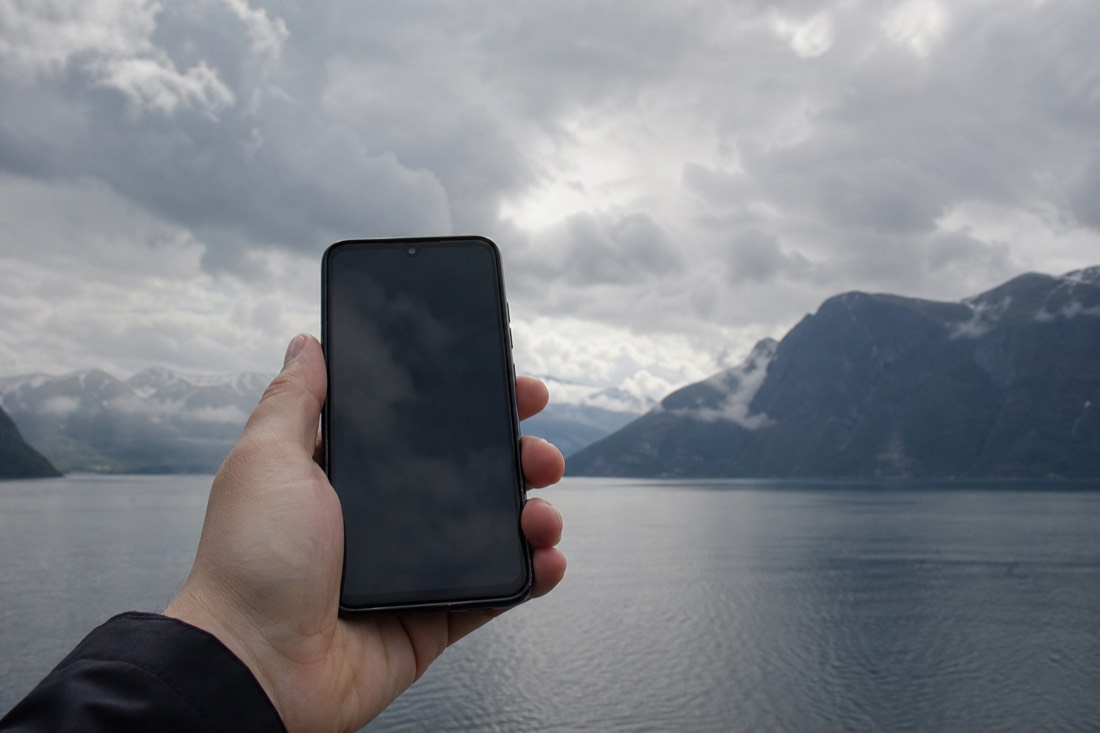
The Norwegian meteorological institute's own service is the standard local reference and is generally more accurate for this terrain than international apps, which tend to smooth over the sharp local variation that mountains and fjords create.
Locals check it several times a day rather than once, and adjust plans in the morning rather than the week before.
Coastal Norwegian weather changes faster than forecast models handle well, and mountain terrain creates local conditions that a regional forecast cannot capture. The practical response is not to distrust forecasts but to use them on the right timescale.
| Horizon | How much to trust it | How to use it |
|---|---|---|
| Same day | High | Decide today's plan in the morning |
| 24 to 48 hours | Good | Book flexible activities |
| 3 to 5 days | Directional only | Watch the trend, do not commit |
| A week or more | Low on the coast | Use as an uncertain trend, then recheck closer to travel |
Build the itinerary so it can absorb this. Free-cancellation bookings and one or two less dependent on visibility days in reserve turn an unpredictable forecast from a problem into a scheduling detail.
What Should You Pack For The Wet Season Specifically?
A genuinely waterproof hooded shell, wool rather than cotton, waterproof footwear and a dry bag for electronics. Not a showerproof jacket, and not an umbrella, both of which fail against wind-driven rain that continues for days rather than hours.
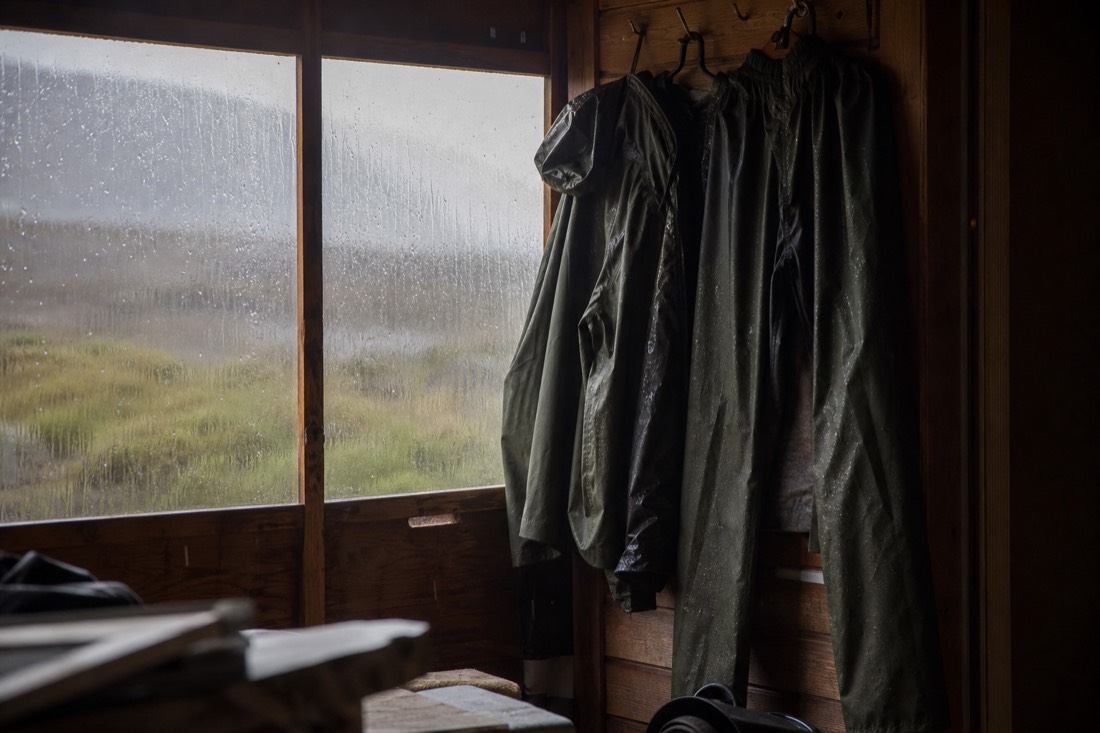
Layering matters more than any single garment. A waterproof shell over wool holds up through a day of this; a single heavy coat soaks through and then stays soaked, with nothing underneath doing useful work.
Gear that dries overnight matters as much as gear that keeps water out, since you will be putting it back on in the morning.
Autumn on the west coast is a sustained wetting rather than a series of showers, which puts different demands on clothing. Gear that copes with an English rainy afternoon will be saturated by the second day here.
| Item | Why it matters in the wet season |
|---|---|
| Hooded waterproof shell | Wind makes hoods work and umbrellas fail |
| Waterproof over-trousers | Legs soak first on a boat deck or trail |
| Wool base layers | Insulates when damp; cotton does not |
| Waterproof boots plus spare socks | Wet feet ruin a day faster than anything |
| Dry bag or waterproof phone case | Your tickets live on your phone |
| Quick-dry trousers, not just jeans | Denim stays wet all day once soaked |
Wool remains the single most useful material on that list, because it can retain useful insulation when damp; suitable synthetic layers can also work, which in an autumn on this coast it will be.
The dry bag is the item people skip and then wish they had. Norwegian travel runs on phone tickets, and an hour on an open boat deck in autumn rain is enough to matter.
The equipment is also reusable well beyond Norway, which softens the cost of buying it properly rather than improvising.
Nothing on this list is exotic or expensive, which is the encouraging part. Equipped properly, a wet Norwegian week is genuinely enjoyable, and the locals do not adjust their plans for it at all.
What Happens To Hiking And Mountain Plans When It Is Wet?
Low-level walking continues perfectly well; exposed ridges and summit routes become a different proposition. Wet Norwegian rock is genuinely slippery, cloud removes the view that justified the climb, and rivers rise quickly after sustained rain.
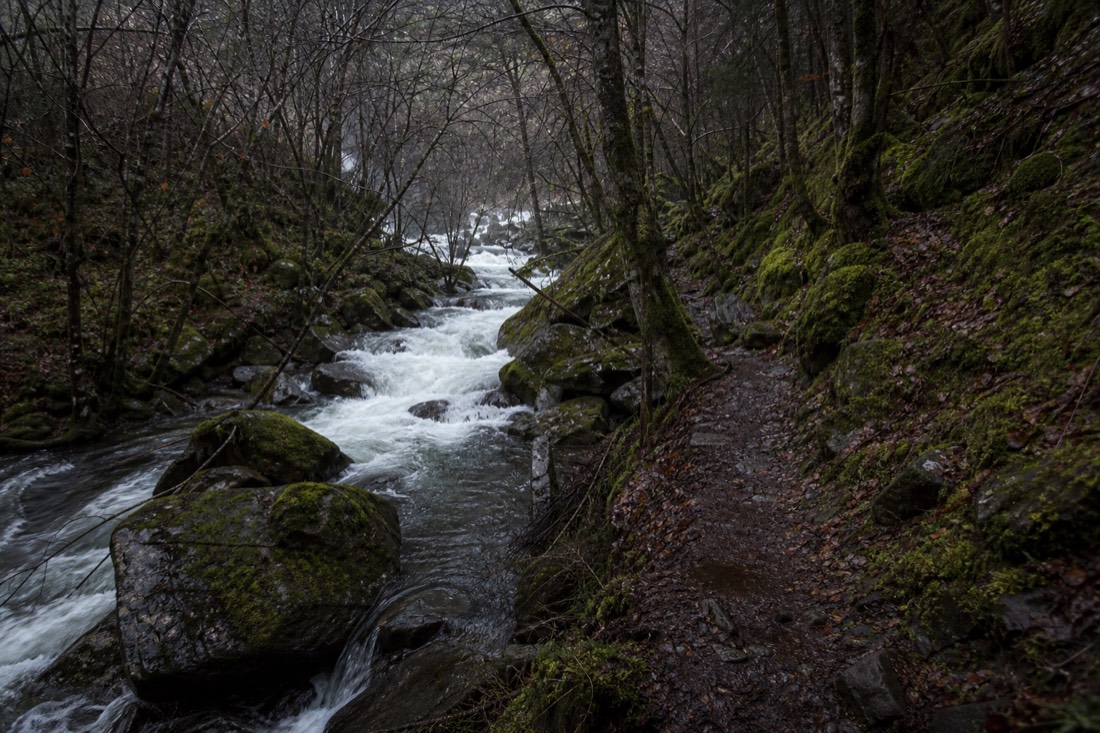
Norwegian hikers are pragmatic about this and swap routes without treating it as a disappointment, which is the right attitude to borrow for a week on this coast.
The decision is rarely about comfort. It is about whether the route depends on visibility or on secure footing, because those are the two things sustained rain takes away.
| Plan | Effect of heavy rain | What to do |
|---|---|---|
| Forest and valley walks | Mud, wind and rising water can matter | Check the actual route and warnings |
| Waterfall routes | Stronger flow can also increase hazards | Stay on safe marked routes and follow closures |
| Exposed ridges and scrambles | Genuinely hazardous on wet rock | Postpone |
| Summit viewpoints | Pointless in cloud | Swap to a low route |
| River crossings | Levels rise fast | Avoid after sustained rain |
| Multi-day mountain routes | Conditions compound | Check with a local source |
Mountain weather also differs sharply from the forecast for the town below it. A pleasant afternoon at sea level in Bergen can be driving rain and low cloud a few hundred metres up, and Norwegian hikers routinely check conditions for the altitude they are heading to rather than the one they are standing at.
The river row is the one visitors underestimate. Norwegian streams that are ankle-deep in the morning can be impassable by evening after a day of rain on the tops, which changes a planned loop into an out-and-back.
Waterproof map cases and offline maps earn their place in this weather too, since paper disintegrates and phone screens become unresponsive when wet.
Swapping down rather than cancelling is almost always available here. The country has an enormous stock of low-level walking, and a wet day in a valley with waterfalls running hard is a better use of the weather than a summit in cloud.
When Should You Go If You Want The Best Odds?
Late spring gives the best weather odds on the west coast, with May typically the driest month in Bergen and the light already long. Autumn is the wettest window but also the start of the aurora season, so the trade is real rather than one-sided.
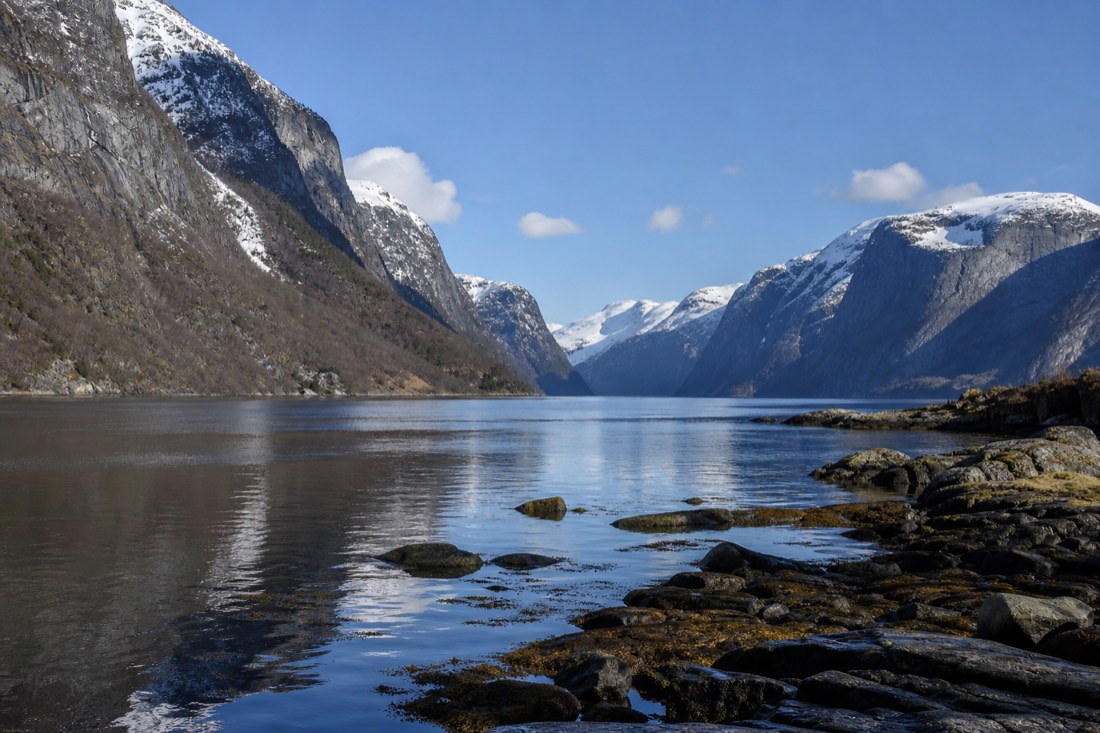
The seasonal calendar decides more than rainfall. Trollstigen and the high mountain roads open only once the snow clears, the aurora needs dark autumn and winter nights, and whale season in the north is a narrow winter window. Picking a month means picking which of those you want, and accepting the weather that comes attached. Our day trips from Bergen guide flags which options run year round and which shut down, and there is more on the city itself in our things to do in Bergen roundup.
The practical answer is unglamorous. You cannot dodge rain in western Norway, only dress for it and build a plan with indoor fallbacks that are worth doing in their own right. Bergen has more of those than most cities its size, which is what happens when a place spends two centuries getting rained on and decides to make the best of it.
Choose Your Norway Experience
Mostraumen Fjord Cruise : Operated & Guided by Locals. Cruise from Bergen into Osterfjord and the narrow Mostraumen passage. Have a date in mind? Check it before arranging the rest of your Norway trip.
3 hours 30 minutes. Meet at the pier between Strandkaien Terminal and Mathallen. English audio commentary. Winter ice can require an alternative route.
Choose a date to see scheduled departures. Final availability and price are confirmed on Viator.
No verified experience fits those requirements. Adjust your choices, or keep the independent plan described above.
Compare Options And Fit Your Plans
General recommendation until you choose. Choose the city where the activity starts, not your arrival airport. Month filters describe the experience’s season, not confirmed departures. Allow travel to the meeting point as well as the listed duration. Confirm your exact option and access needs when booking.
- Guided tour to Hardangerfjord with Waterfalls and Ferry Crossing: 8 hours 30 minutes. Visit Hardangerfjord waterfalls with a guide, minibus transport and a ferry crossing. 8.5 hours from Strandkaien 1, outside tourist information. Ages 4+. Ferry tickets are included; meals are not. Meet 10 minutes before departure.
- Oslo Discovery Tour: 5 hours 30 minutes. Combine Vigeland Park, the Fram Museum and Norwegian cultural history with a guided coach route. 5.5 hours from Haakon VIIs gate 1. Folk Museum may be replaced by Kon-Tiki on Mondays and selected October–April dates. Walking, steps and uneven ground are involved; food and hotel pickup are excluded.
- Stavanger Silent Lysefjord and Pulpit Rock Cruise by Hybrid Boat: 3 hours 30 minutes. See Preikestolen from below and cruise past Lysefjord waterfalls with an English-speaking guide. 3.5 hours from Strandkaien near Stavanger tourist information; arrive 15 minutes early. Lunch is excluded. The cruise does not take you onto the Preikestolen plateau.