A 7-Day Norway Itinerary That Actually Fits
One week covers Oslo, the Bergen railway and a proper fjord day, provided you stop trying to squeeze in a fourth region.
 Written with Lars Hansen, Norway Tour Packages Specialist & Experience Guide
Short answer
Seven days works well across Oslo, the Flåm area and Bergen: three bases connected by rail, bus and boat. Count six nights and choose your exact split around the dated connections. A Bergen round-trip excursion is an alternative to arranging the Flåm stop independently.
The Bergen line leaves Oslo through suburbs and birch, and about three hours later there is nothing outside the window but snowfields, frozen lakes and the odd red hut. That single train ride is why a week in Norway can feel long. The country is enormous, the distances are real, and the mistake almost every first draft of a seven-day plan makes is treating Tromsø, Lofoten, Bergen and Oslo as one trip. They are not. Pick the corridor that runs west from Oslo to the fjords, give it the whole week, and the itinerary stops fighting you.
Keep a week focused on the cities and western fjords. One full-day excursion can anchor the route without adding another region.
Booking choice: Prefer to stay in Bergen rather than overnight in Flåm? The guided railway-and-fjord day returns to Bergen; book your Oslo connection and hotels separately. Explore Bergen Rail And Fjord Day
What Does A Realistic Seven-day Norway Route Look Like?
Three bases and one great rail day. Give Oslo two nights, the Flåm and Aurland area one or two, and Bergen the remaining two or three. Everything moves west along one railway, so you unpack at three bases, never chase a domestic flight, and still see a UNESCO-listed fjord arm at close range.
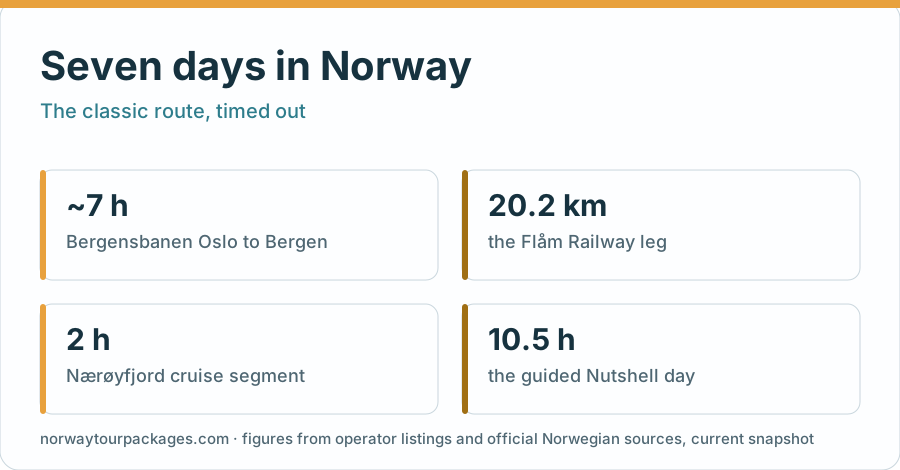
The reason this shape works is arithmetic. Oslo to Bergen by rail takes roughly 6.5 to 7.5 hours with Vy, and the scenic part sits in the middle. Break the journey at Myrdal for the Flåm branch and the travel day becomes the attraction rather than dead time. Try to add Ålesund, Trondheim or the Arctic and you convert two of your seven days into airports.
| Day | Base | Main move | Realistic time on the move |
|---|---|---|---|
| 1 | Oslo | Arrive, walk the harbour, Opera House roof | 2 to 3 hours on foot |
| 2 | Oslo | Bygdøy museums or Holmenkollen, Oslofjord boat | 4 to 5 hours |
| 3 | Flåm area | Bergensbanen to Myrdal, Flåm Railway down | 7 to 8 hours door to door |
| 4 | Flåm area | Nærøyfjord cruise, Stegastein viewpoint | 4 to 6 hours |
| 5 | Bergen | Bus or train through to Bergen, Bryggen in the afternoon | 3 to 5 hours |
| 6 | Bergen | Fløibanen, fish market, Mostraumen boat trip | 4 hours |
| 7 | Bergen | Slow morning, fly home | 2 hours to the airport |
If a week already feels tight on paper, work out how many days your flights really give you before committing. Adding three days changes the map completely, which is the whole argument behind the 10-day version of this route.
How Much Of The Week Should Go To The Bergen Railway?
One full day, and no more. The Oslo to Bergen run takes about 6.5 to 7.5 hours end to end, and the Flåm branch adds roughly an hour each way plus waiting time. Treat day three as a travel day with scenery attached, and do not schedule anything demanding at either end of it.
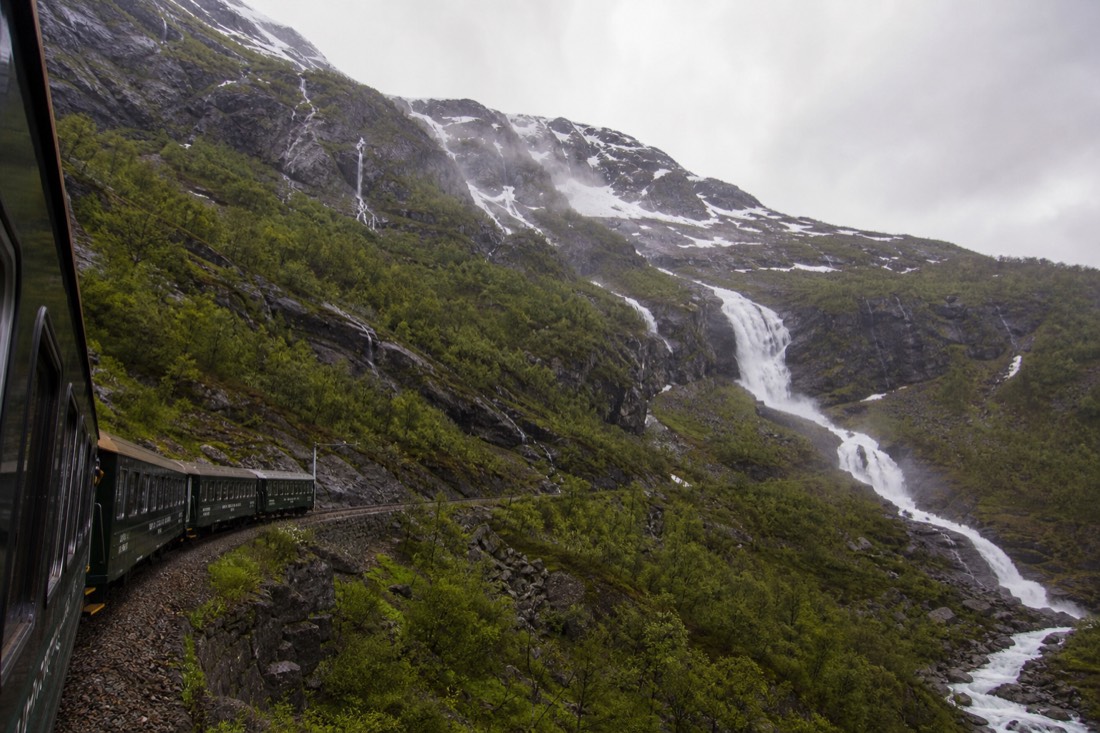
The Flåm Railway is operated by Flåm Utvikling under Vy, and the numbers explain the fuss: 20.2 km between Flåm and Myrdal, about an hour, an 866 metre height difference, and a maximum gradient of 5.5%. It runs year-round, and tickets come through Norway's Best or Vy. Nothing about it is a heritage novelty ride. It is a working branch line that happens to climb a wall.
| Leg | Operator | Typical duration | Notes |
|---|---|---|---|
| Oslo to Myrdal | Vy (Bergensbanen) | About 4.5 to 5 hours | Highest section crosses open mountain plateau |
| Myrdal to Flåm | Flåm Utvikling / Vy | About 1 hour | 20.2 km, 866 m descent, year-round |
| Flåm to Gudvangen | Boat | 2 to 2.5 hours | Nærøyfjord, UNESCO-listed arm |
| Gudvangen to Bergen | Bus, then train or coach | About 3 hours | Check the bus timetable for your date |
| Myrdal to Bergen (direct) | Vy | About 2 to 2.5 hours | The option if you skip the fjord branch |
Two practical warnings. Seats on the Bergen line are reservation-based and the cheap fares vanish weeks ahead, so book the moment your dates are firm. And check the operator's own timetable changes page before you build a tight connection, because engineering work moves departures more often than travellers expect.
Is The Flåm And Nærøyfjord Day Worth Building The Trip Around?
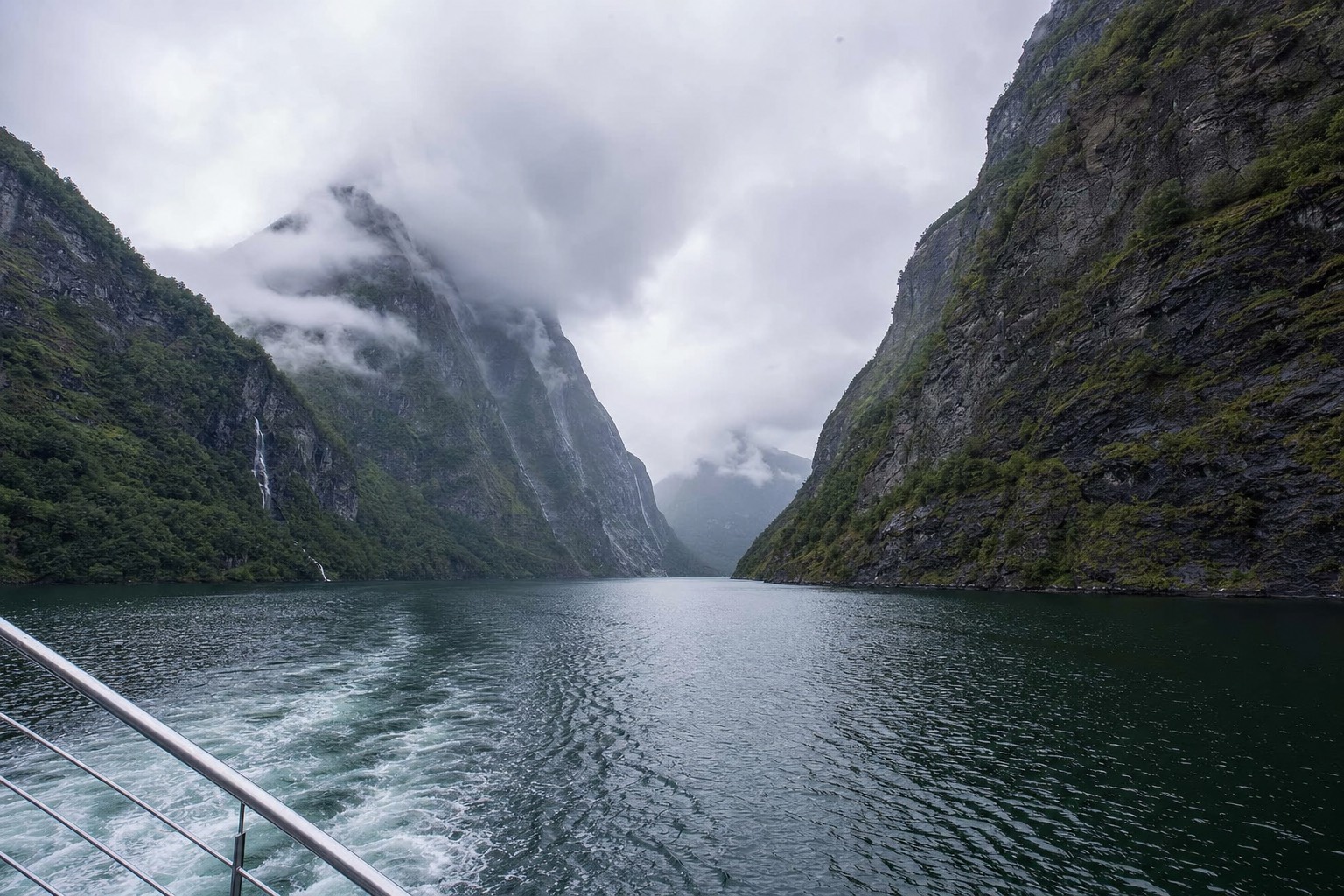
Yes, because it is the only day where the railway, the fjord and the viewpoint stack into one loop. Nærøyfjord is one of just two Norwegian fjords on the UNESCO list, alongside Geirangerfjord. At its narrowest the water sits under cliffs that run more than a thousand metres straight up.
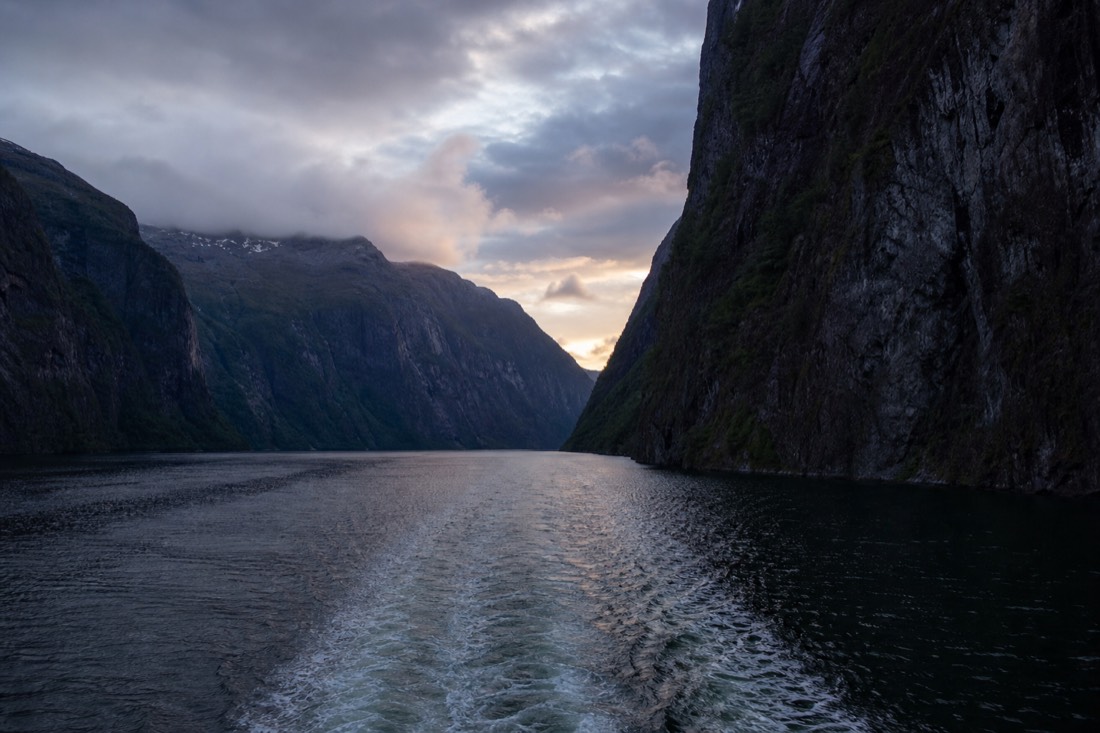
The West Norwegian Fjords inscription covers Geirangerfjord and Nærøyfjord only, which is the detail most itineraries get wrong. Norway's fjords in general are not a World Heritage Site. These two specific ones are, and Nærøyfjord happens to be the one you can reach from Oslo without a car.
Add the Stegastein viewpoint if you have a spare half day. It hangs 650 metres above the Aurlandsfjord on a timber platform that ends in a glass lip, and it turns a good fjord day into the one photograph people remember. The trade-off is time: the combined rail, cruise and viewpoint circuits run long, some as much as 13 to 14 hours from a Bergen start.
Should The Fjord Day Be Guided Or Self-assembled?
Both work; compare dated quotes and equivalent inclusions. The self-guided ticket bundle sold as Norway in a Nutshell hands you the connections and leaves you to manage them. A guided day gives you one booking, one guide and a fixed return time, which matters if you have exactly one shot at good weather.
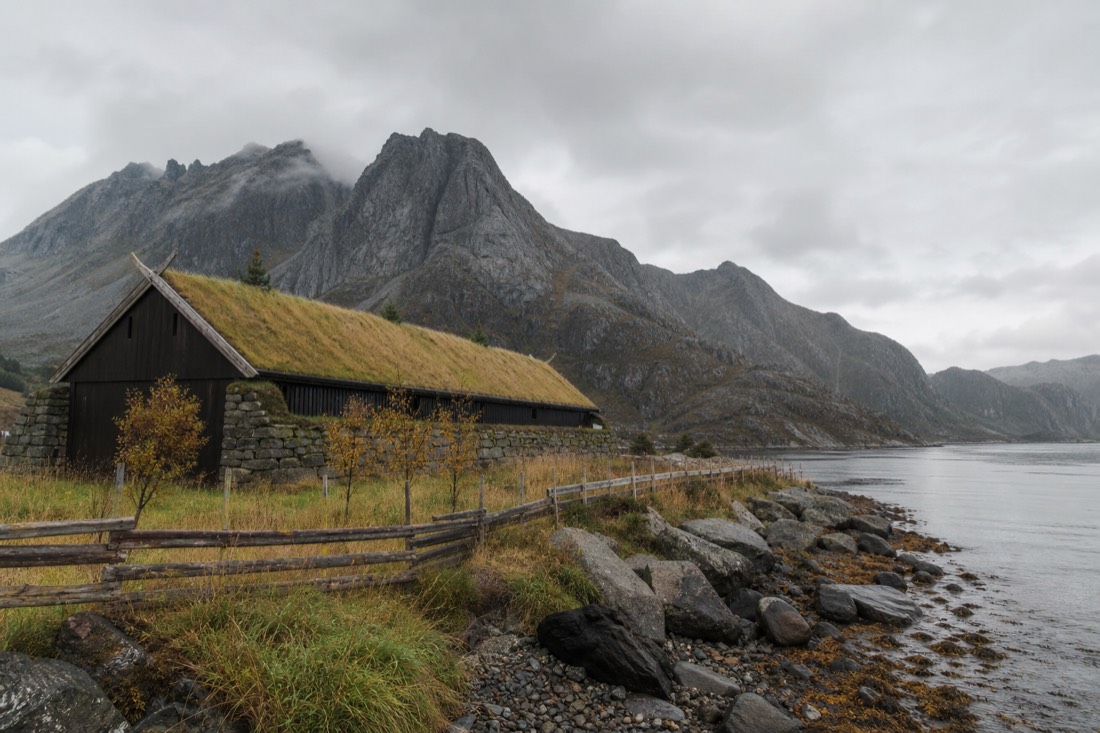
The bundle is a Fjord Tours product: the Bergen line, the Flåm Railway, the Nærøyfjord cruise and the Voss–Gudvangen bus, sold as one self-guided ticket and bookable year-round. You can also price the legs separately; the total depends on dates and ticket conditions. We have set the two side by side in our breakdown of the DIY versus guided question, and the honest answer is that the bundle buys convenience, not a discount.
Related planning: Norway in a Nutshell options.
What Changes If You Come In Winter?
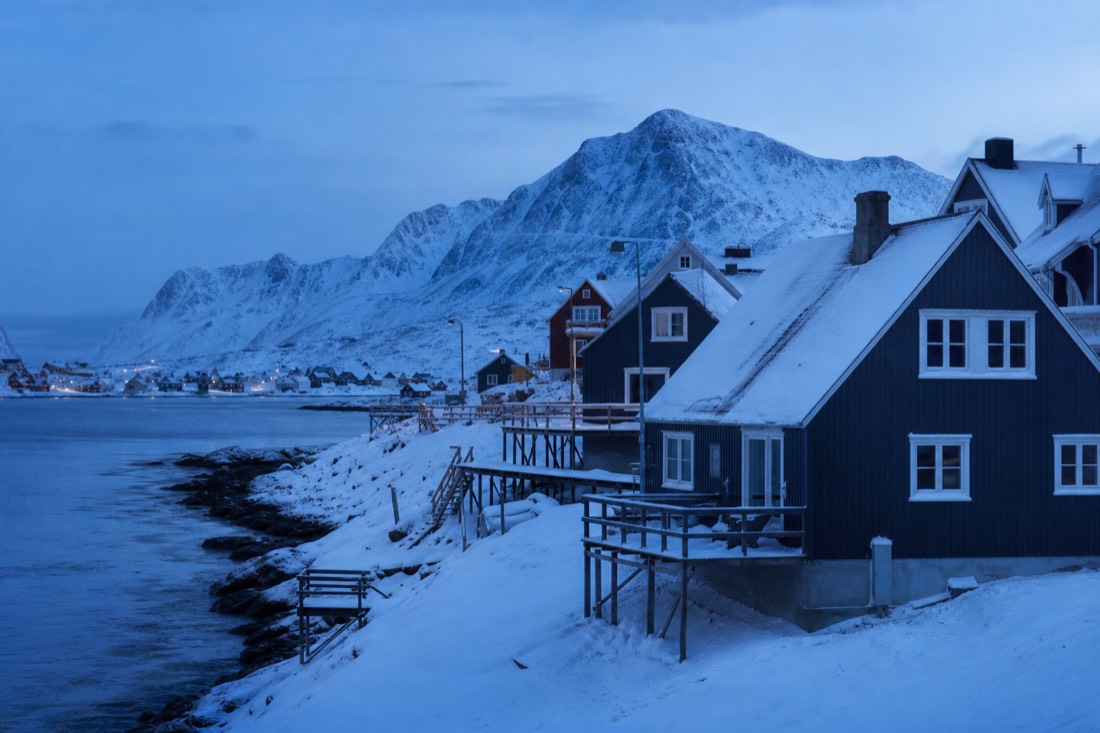
The fjord corridor still runs, but daylight collapses to a few usable hours and the historic Stalheimskleiva road is not part of the current bus route. Many travellers swap days three to seven for Tromsø, trading the Flåm Railway for aurora, whales and huskies. Keep Oslo either way, because it is the arrival airport for most transatlantic routes.
The Flåm Railway itself is year-round, and the Bergen line does not stop for snow. What changes is what you can see from the window and what closes around it. Trollstigen, for example, is seasonal: it opened on 29 April 2026 and remains subject to seasonal and temporary closures depending on weather, with temporary closures still possible.
| Day | Summer version | Winter version |
|---|---|---|
| 1 to 2 | Oslo, Bygdøy, Oslofjord boat | Oslo, museums, Holmenkollen |
| 3 | Bergensbanen and Flåm Railway | Fly Oslo to Tromsø, city and harbour |
| 4 | Nærøyfjord cruise, Stegastein | Aurora chase, late night finish |
| 5 | Transfer to Bergen | Whale trip or husky sledding |
| 6 | Bergen, Fløibanen, Mostraumen | Second aurora night, Fjellheisen |
| 7 | Fly home from Bergen | Fly home via Oslo |
Aurora season runs from late September to late March or early April, statistically strongest around March, April, September and October, and solar activity varies and does not predict a particular night. It is never guaranteed on any given night, which is the argument for two attempts rather than one. Our Norway in winter guide covers the darkness maths in more detail, and Tromsø northern lights trips are where most of the bookable chase tours sit.
Where Should You Sleep Each Night?
Two hotels for a seven-day trip, three at most. Oslo first, then Bergen, with one night near Flåm or Aurland if you want the fjord morning to yourself. Every extra base costs you a check-in, a check-out and roughly two hours of packing time you cannot get back.
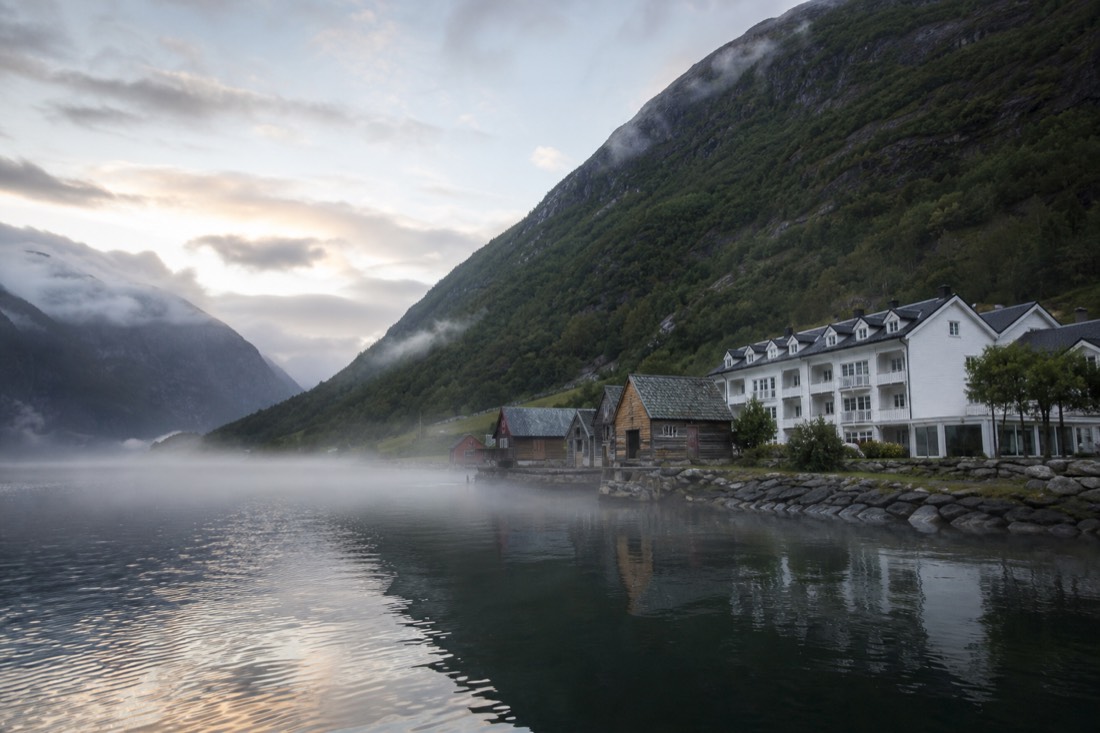
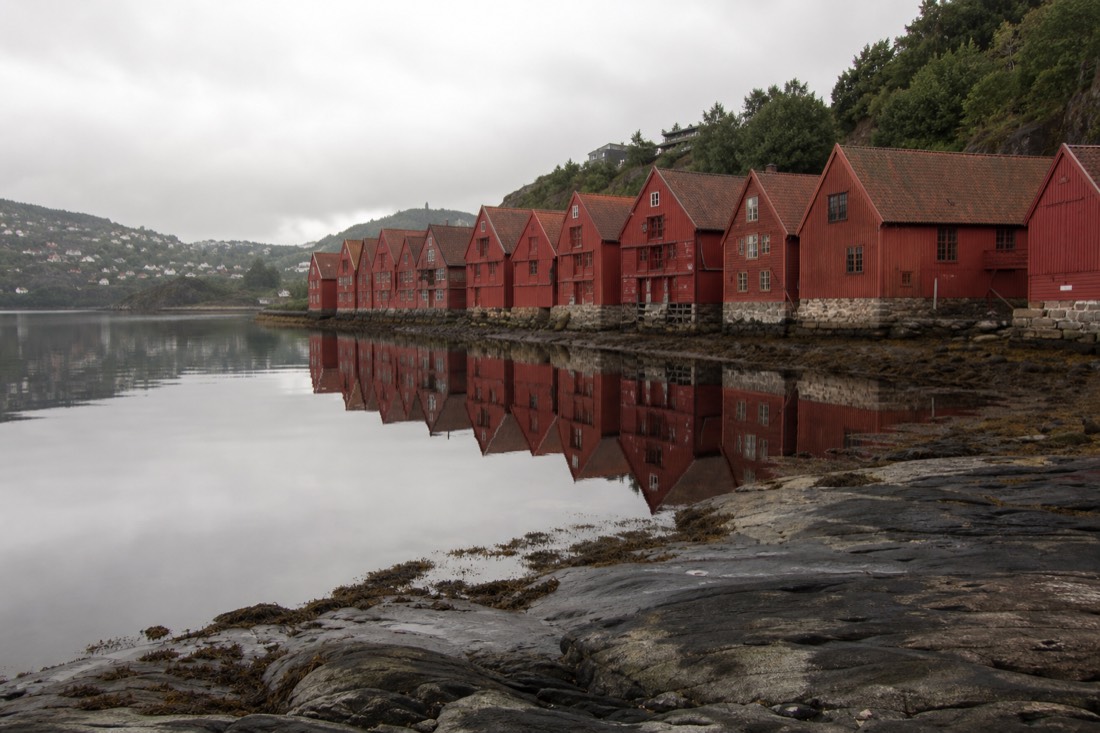
Flåm itself is tiny and books out early in summer, so the villages around Aurland are the fallback rather than the compromise. Bergen rewards a longer stay because the city works in the rain, and it rains a great deal: roughly 200 to 240 rainy days a year and somewhere between 2,250 and 2,413 mm of precipitation. Pack for it, with a waterproof shell rather than an umbrella, and the weather stops being an itinerary problem.
| Base | Nights | Best for | Watch out for |
|---|---|---|---|
| Oslo | 2 | Arrival day, museums, fjord boats | Central hotels fill during conference weeks |
| Flåm or Aurland | 1 to 2 | Early fjord light, Stegastein | Very limited beds, book months ahead |
| Bergen | 2 to 3 | Bryggen, Fløibanen, short fjord cruises | Cruise-ship days make the wharf crowded |
| Tromsø (winter swap) | 3 to 4 | Aurora, whales, husky sledding | Late-night tours push breakfast back |
What Should You Book Before You Leave, And What Can Wait?
Book the Bergen Line seats, the Flåm Railway or your guided fjord day, and any aurora tour before you fly. Hotels in Bergen and Flåm should be locked in summer. Check museum time slots and restaurant reservations for the places you especially want; local transport follows its own timetables.

All departures and venues have capacity limits; decide which reservations matter to your own plan. The Flåm Railway sells out in peak season, the Bergen Line has 6 to 7 departures a day and its cheap tickets go first, and aurora minibuses carry a fixed number of seats. Nothing about an Oslo museum or a Bergen dinner needs the same treatment.
| Book ahead | How far ahead | Why |
|---|---|---|
| Oslo to Bergen train | Weeks; earlier for cheap fares | 6-7 departures daily, NOK 900-1,400 one-way |
| Flåm Railway or guided fjord day | Weeks in summer | Genuine capacity limits |
| Bergen and Flåm hotels | Months in July and August | Small towns, few rooms |
| Aurora chase, if travelling Sep-Mar | Weeks, with free cancellation | Fixed minibus seats |
| City museums | Same day | Rarely sell out |
| Restaurants | A day or two, if at all | Relaxed booking culture |
One scheduling caveat worth checking before you fix dates: Vy has flagged planned railway maintenance on several Eastern Norway sections around Easter and summer 2026. Check both the branch and mainline timetables, since engineering work can reshape a travel day.
Which Parts Of The Week Survive A Winter Date?
The rail and boat spine survives completely: the Bergen Line, the Flåm Railway and the Bergen fjord cruises all run year-round. What does not survive is the mountain-road scenery and the long evenings, so the shape holds while the content shifts.
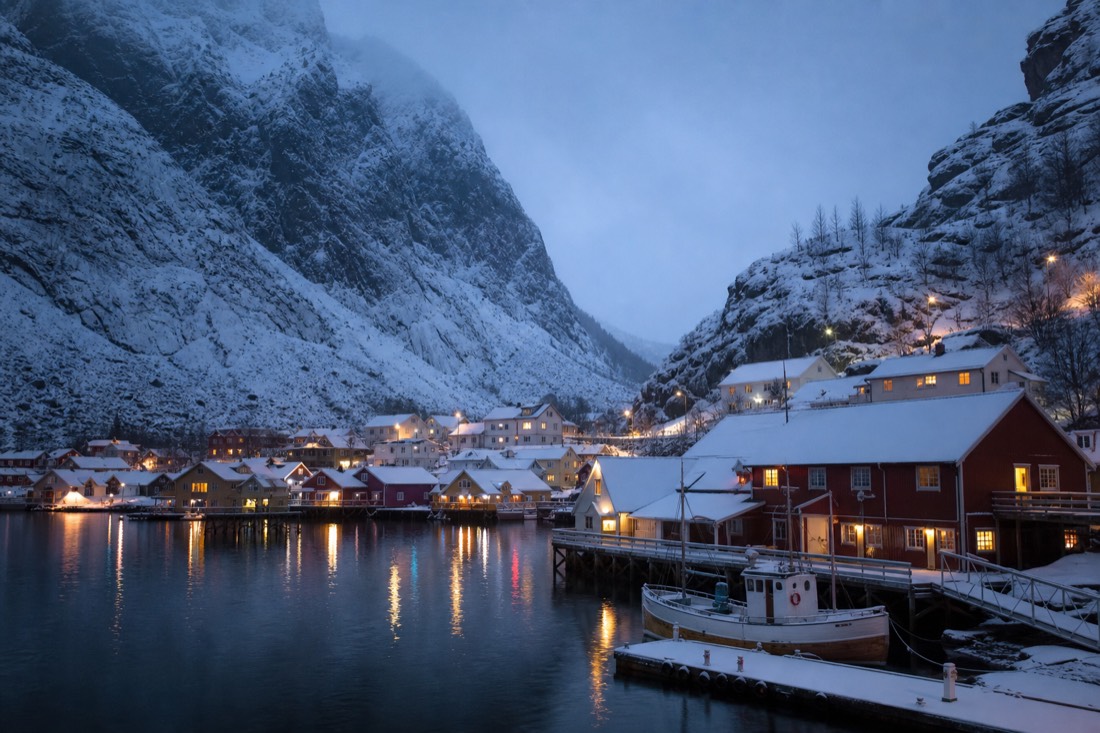
Winter does not break this itinerary, it re-weights it. Fjord cruises out of Bergen offer scheduled year-round sailings, so the fjord half survives intact. What disappears is the mountain-road scenery and the long evenings, and what appears is a genuine reason to fly north.
| Element | Summer version | Winter version |
|---|---|---|
| Oslo | Museums, fjord cruise, long evenings | Museums, shorter days, indoor weighting |
| Bergen Line | Snow-free high plateau | Snow scenery, still runs |
| Fjord day | Full Nutshell loop with bus legs | Cruise, railway and connecting bus; check dated services |
| Free evening | Long summer evenings in Oslo and Bergen | Aurora attempt if you are far enough north |
| Best use of two spare nights | Lofoten or a second fjord | Tromsø for aurora, whales and huskies |
| Mountain passes | Open | Trollstigen and similar closed |
If you do flip north, give the aurora two nights minimum. One night is a coin toss, and the whole point of building a week around it is not leaving with nothing.
Which Day Does Lars Say People Most Often Waste?
Arrival day. It gets planned as a full sightseeing day, then jet lag, luggage and a late check-in eat it, and the itinerary runs a day behind for the rest of the week. Plan it as a half day and the whole trip holds together.
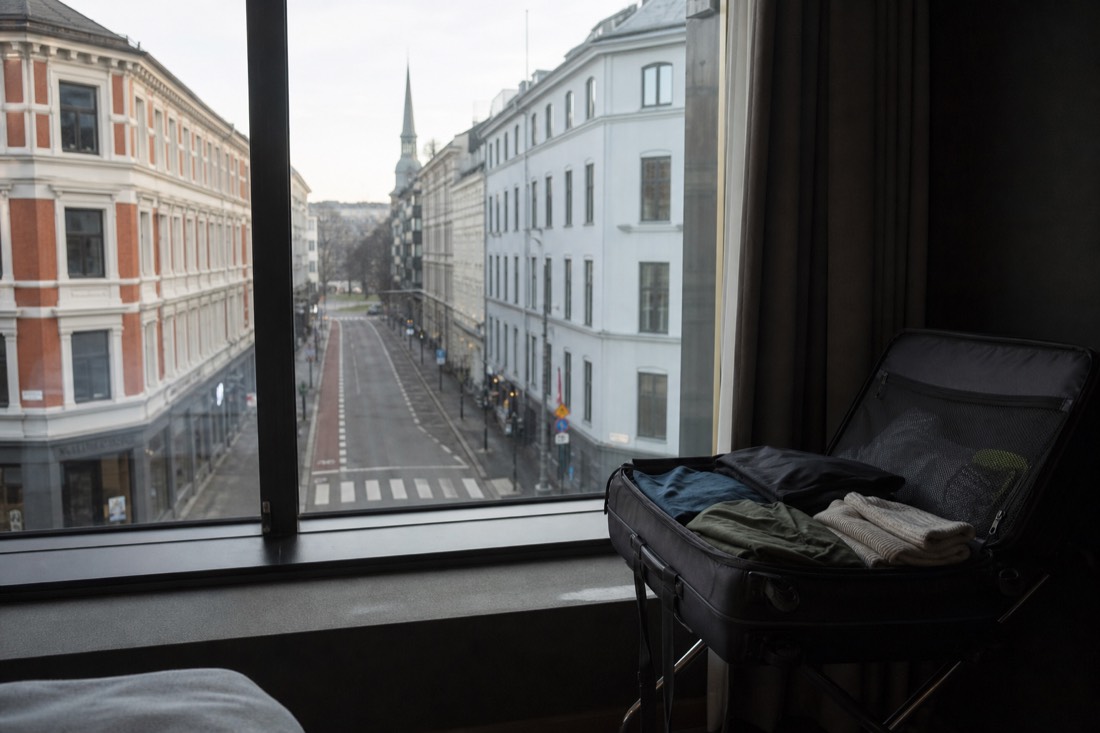
A seven-day itinerary has no slack in it, which means the first error propagates through every subsequent day. In a decade of building these weeks, Lars has found that protecting arrival day does more for a trip than optimising any other part of it.
| Day | Common plan | What works better |
|---|---|---|
| 1, arrival | Full Oslo sightseeing circuit | A walk, an early dinner, sleep |
| 2 | Museums, rushed | The full Oslo day, properly |
| 3 | Bergen Line, treated as transit | Book a window seat and enjoy it |
| 4 | Fjord day | Keep this one; it is the centrepiece |
| 5 | Second fjord or Bergen | Bergen on foot, Bryggen and Fløibanen |
| 6 | Add a third destination | Resist; use it as buffer or go north |
| 7, departure | An activity before the flight | Nothing scheduled |
The other frequent casualty is departure day, which people fill with one last excursion and then spend anxious about the airport. Both ends of a short trip are worth less than the middle, and planning them that way protects the days that matter.
Can You Run This Week In Reverse, Starting In Bergen?
Yes, and it is often better. Flying into Bergen, doing the fjords first and taking the Bergen Line east to Oslo puts the scenic train in the middle of the trip and leaves you departing from Norway's best-connected airport.
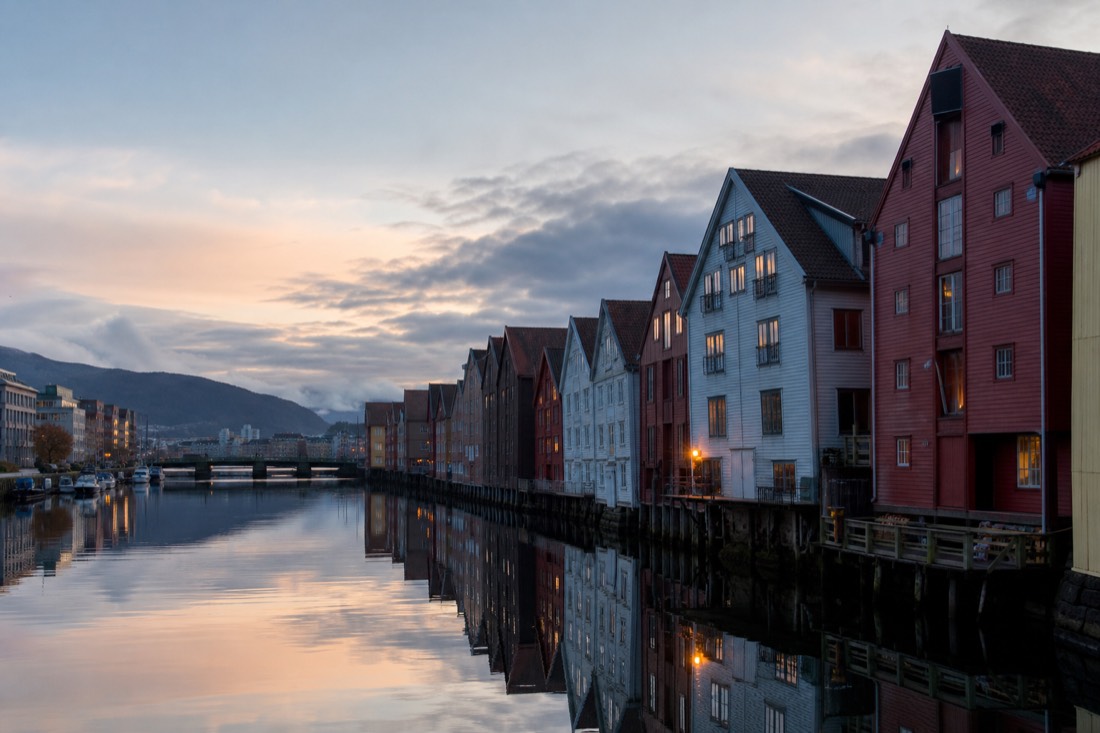
Most itineraries default to Oslo first because it is the obvious entry point, but the reverse direction solves two real problems: it front-loads the weather-dependent fjord day and it ends at the airport with the most departures.
| Direction | Advantage | Drawback |
|---|---|---|
| Oslo to Bergen | Easier long-haul arrival; classic build-up | Fjord day late, with no recovery room |
| Bergen to Oslo | Fjord day early with slack behind it | Bergen has fewer long-haul connections |
| Round trip from Oslo | Simple flights | Repeats the rail leg or forces a domestic flight |
| Open-jaw, in Bergen out Oslo | The cleanest routing | Needs a multi-city ticket |
The open-jaw ticket is the underused option. It avoids backtracking entirely, and for a fixed seven days that saved half-day is the difference between a comfortable week and a rushed one.
What Should You Cut When The Week Gets Tight?
Cut regions, not days. Dropping Bergen to two nights hurts less than adding Ålesund. If something has to go, lose the second Oslo museum morning and the Stegastein detour before you touch the fjord cruise, which is the one part of the week nothing else replaces.
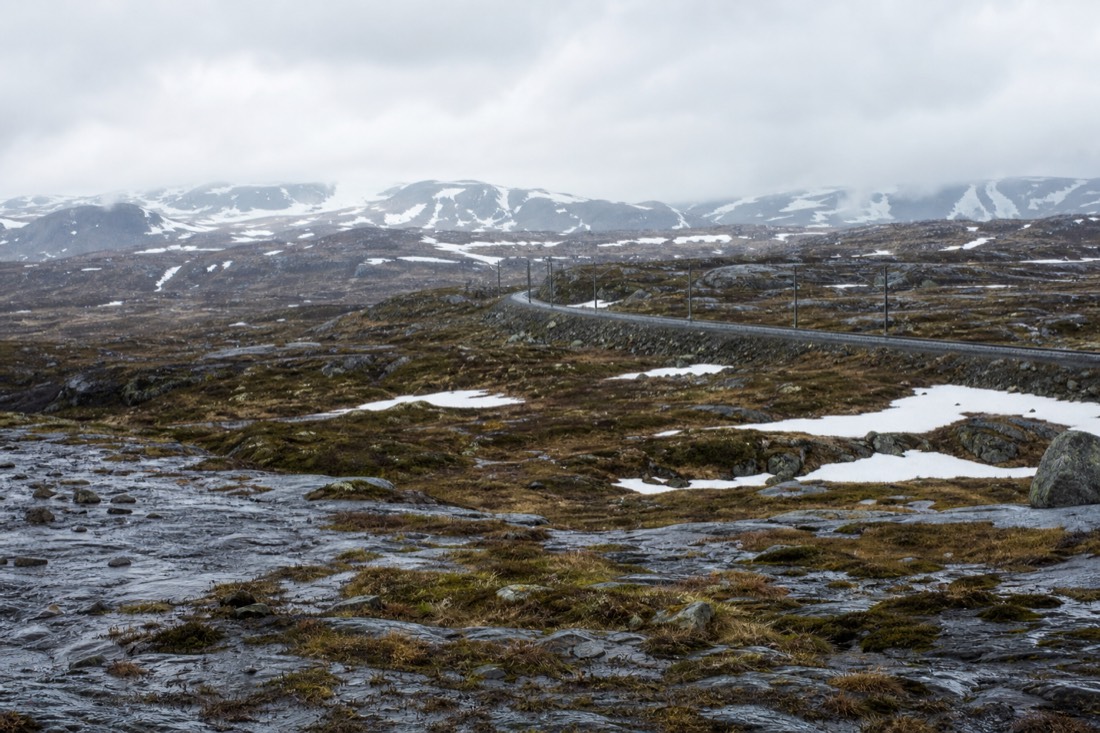
The most common overreach is Lofoten. It is genuinely worth the journey, and it is also a separate trip: flights connect through Bodø or Evenes and eat the better part of two days at each end. The same goes for the North Cape. If the Arctic is the point of your week, build the week around Tromsø from the start instead of bolting it onto a fjord route.
Timing also decides how much you get out of the same seven days. Late May to mid June gives long light and thinner crowds than July, while September brings autumn colour and the first realistic aurora nights. The trade-offs shift month by month, and Visit Norway keeps seasonal opening dates for the mountain roads current if your plan depends on one.
Choose Your Norway Experience
Guided tour - Viking Village, Nærøyfjord Cruise and Flåm Railway. Join the Nærøyfjord cruise, Flåm Railway and Viking village in one guided day. Have a date in mind? Check it before arranging the rest of your Norway trip.
10 hours 30 minutes. Round trip from Strandkaien 16, Bergen. Choose the English option. Food and drinks cost extra. This is a day trip, with no hotel night.
Choose a date to see scheduled departures. Final availability and price are confirmed on Viator.
No verified experience fits those requirements. Adjust your choices, or keep the independent plan described above.
Compare Options And Fit Your Plans
General recommendation until you choose. Choose the city where the activity starts, not your arrival airport. Month filters describe the experience’s season, not confirmed departures. Allow travel to the meeting point as well as the listed duration. Confirm your exact option and access needs when booking.
- Oslo to Bergen Self-Guided Day with Flåm Railway and Fjord Cruise: 12 hours. Travel one way from Oslo to Bergen with Flåm Railway, Nærøyfjord cruise and connecting transport tickets arranged. Self-guided, about 12 hours; start at Oslo Central Station and finish in Bergen. No overnight lodging. Tickets and instructions arrive by email. Nonrefundable; high-season departure times may shift and confirmation depends on rail seats. Select the self-guided rail option, not the private car alternative.
- Mostraumen Fjord Cruise : Operated & Guided by Locals: 3 hours 30 minutes. Cruise from Bergen into Osterfjord and the narrow Mostraumen passage. Meet at the pier between Strandkaien Terminal and Mathallen. English audio commentary. Winter ice can require an alternative route.
- Central Oslo Guided Walking Tour with Local Guide: 2 hours. Get oriented in central Oslo on a two-hour walk with an English-speaking local guide. Two hours from the tiger statue outside Oslo Central Station to the Royal Palace. Select the English time option. Outdoor walking only; no admission inside buildings. Not recommended for poor cardiovascular health.
- Tromsø Northern Lights Chase We Go Where The Lights Appear: 9 hours. Follow a guide and photographer away from Tromsø in search of clearer northern-lights skies. Choose the English Classic coach option shown by this schedule. Six to nine hours; up to 45 guests, toilet, photographer and hot drinks. Arrive 30 minutes before departure at your ticket meeting point. Thermal suits, boots and meals depend on the option; confirm before packing. Aurora sightings are not guaranteed.