When Can You See The Northern Lights In Norway In 2026?
Northern lights in Norway 2026: the season window, solar cycle status, the strongest months, where to base yourself and how many nights to book.
 By Lars Hansen, Norway Tour Packages Specialist & Experience Guide
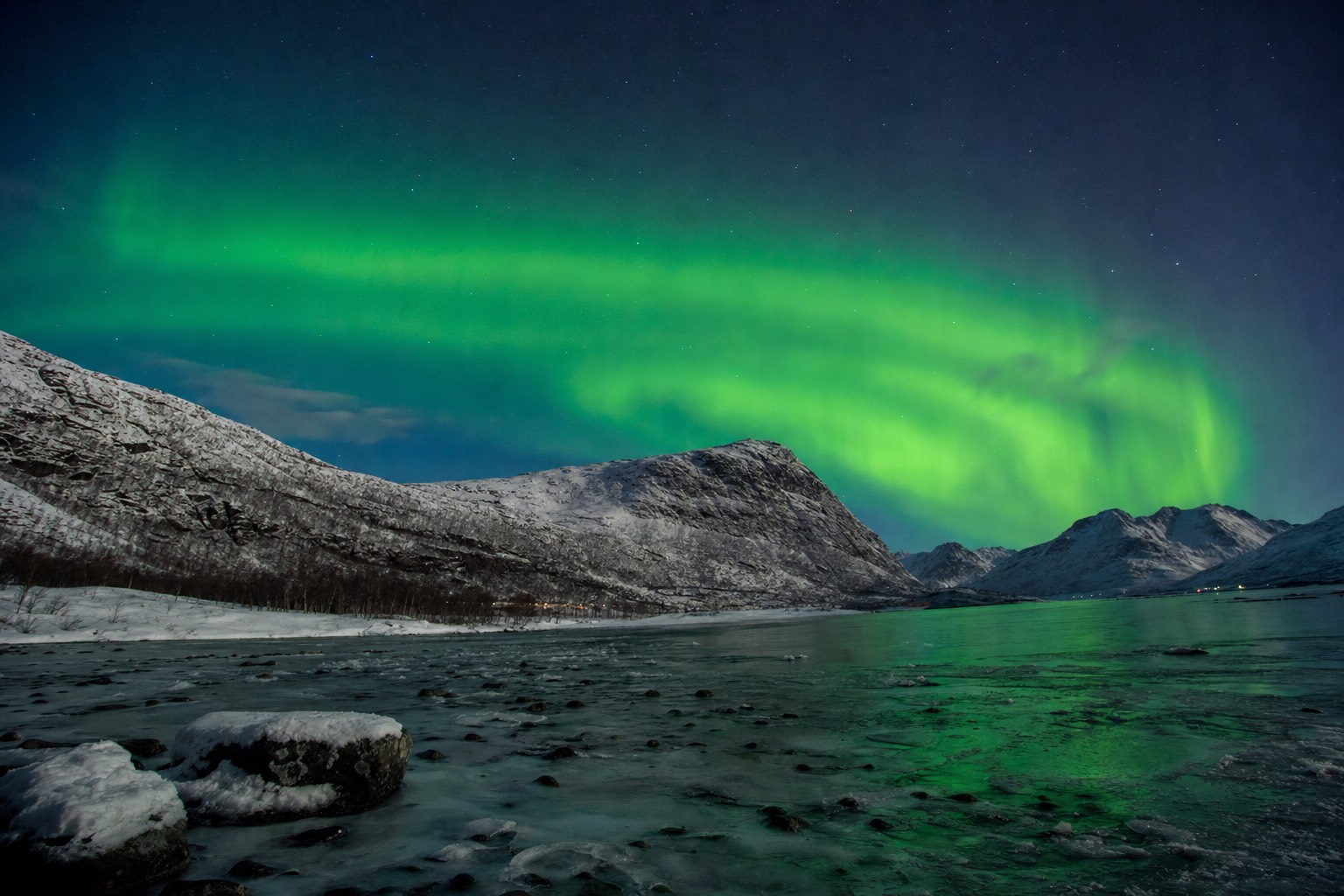
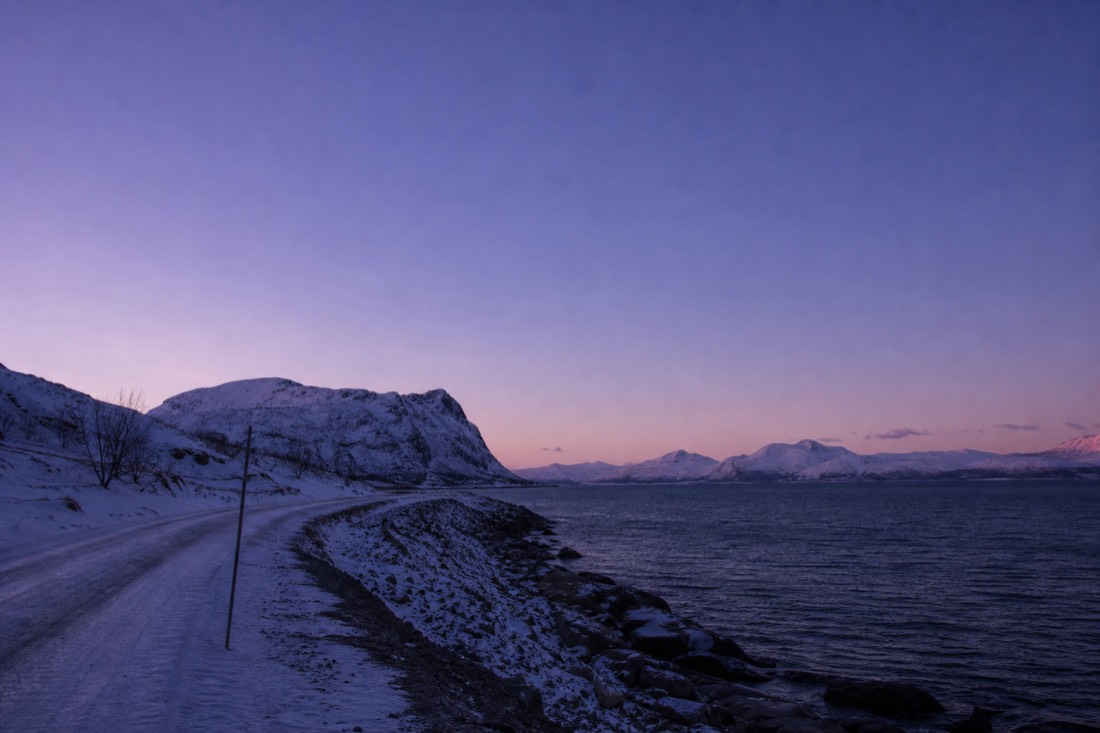
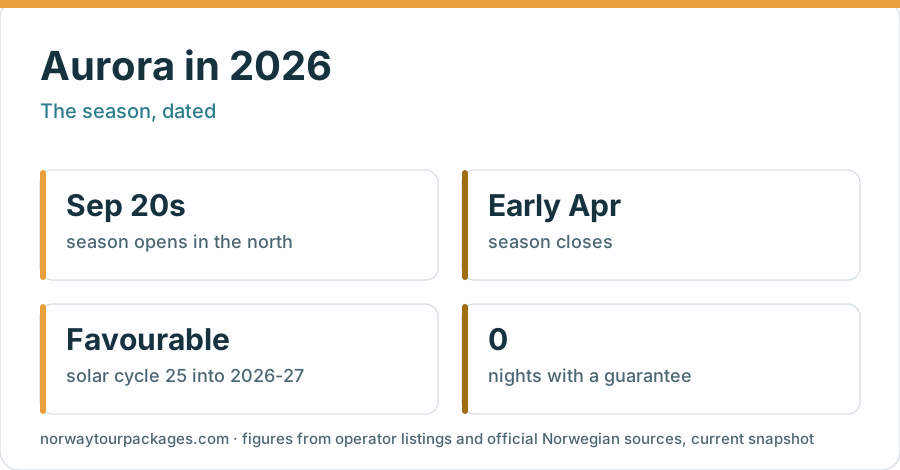
At the end of September the light in Tromsø changes character. The sun still comes up, but it sits low all day and the nights suddenly have real darkness in them again, enough for the first faint arcs to show over the sound. By late November the sun does not clear the horizon at all. That is the window, and it is wider than most people assume.
Choose a dark-season Arctic base and leave room for weather. No forecast or guided tour guarantees the lights.
Booking choice: The Tromsø safari offers a guide and photographer on a 6–9-hour search. Add a daytime experience so the trip does not depend entirely on the sky. Explore Tromsø Aurora Chase
The 2026-27 season lands on the back of a solar maximum, which is genuinely good news. It does not, however, change the one thing that decides most nights on the Norwegian coast: whether there is cloud between you and the sky.
When Does The 2026-27 Northern Lights Season Start And End?
The aurora season in Norway runs from late September to late March or early April. That is set by darkness, not by aurora activity, which continues year-round but is invisible under the midnight sun. The first and last weeks of the window are viable, so early October and late March both work.
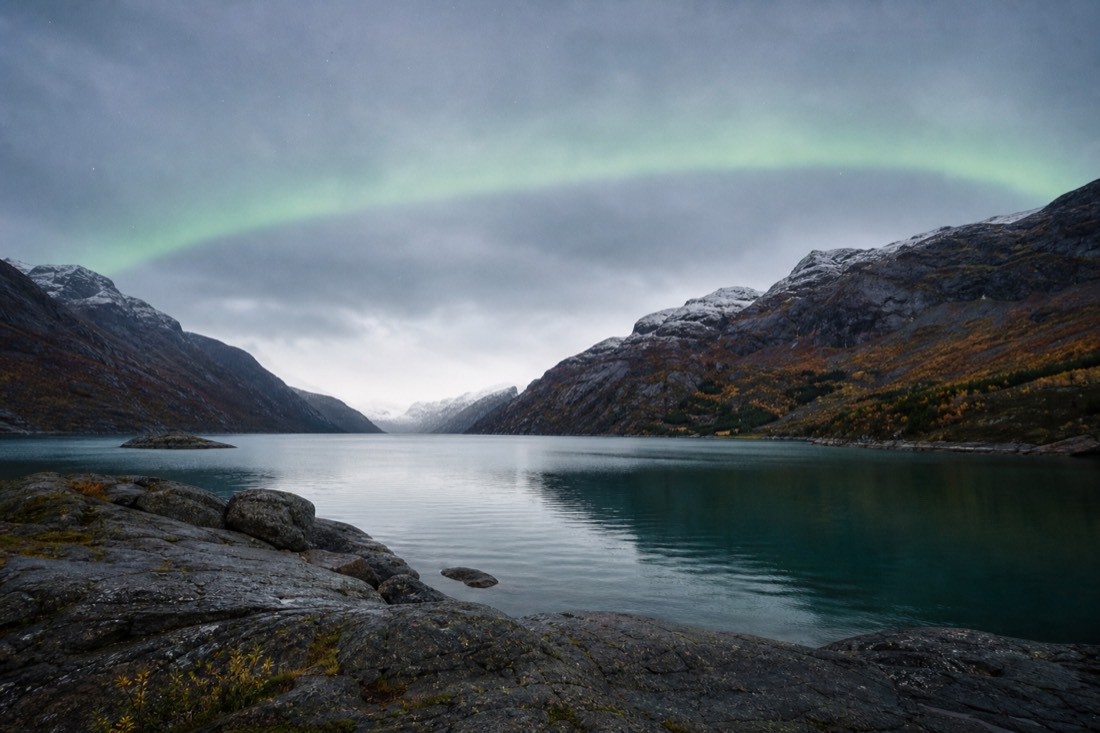
The common mistake is treating deep winter as the only option. Aurora happens above the weather, and the Earth's magnetic field does not observe December. What changes across the season is the number of dark hours and the odds of clear sky, and those two move in opposite directions.
In Tromsø the polar night falls between roughly 27 November and 15 January, with the mountains blocking direct sun from around 21 November to 21 January. That is maximum darkness, and it is also the coldest and cloudiest stretch. The shoulder months trade a few dark hours for better weather.
Which Months Give The Best Odds?
Statistically the equinox months are strongest: March and April, then September and October. The geomagnetic activity that produces aurora tends to peak around the equinoxes, but that does not establish better local weather for your dates. December and January provide long dark periods, with cloud still variable.
| Month | Dark hours | Typical coastal weather | Verdict |
|---|---|---|---|
| Late September | Moderate, real darkness returns | Mild, changeable, still autumn colour | Good, and quiet on the ground |
| October | Increasing fast | Wet spells, but clear gaps | Strong equinox activity, underrated |
| November | Long, polar night begins late in the month | Cloudier, first hard cold | Decent, fewer visitors |
| December to January | Maximum, sun below horizon | Cloudiest, coldest, most snow | Longest window, lowest clear-sky odds |
| February | Long, light returning | Cold and often clearer inland | Reliable, good for combining activities |
| March to early April | Shrinking but ample | Variable cloud and weather | The best statistical odds of the year |
The other seasonal argument for March is comfort. Standing outside for three hours at minus twenty is a different experience from doing it at minus five, and people who are warm stay out longer, which is itself a factor in whether you see anything.
Is 2026 Actually A Strong Year For Aurora?
Aurora remains possible in 2026, but the solar cycle is not a booking guarantee. NASA and NOAA announced the solar-maximum period in October 2024. Use current geomagnetic and local weather forecasts for the nights of your trip rather than assuming a 2025–26 peak predicts your result.
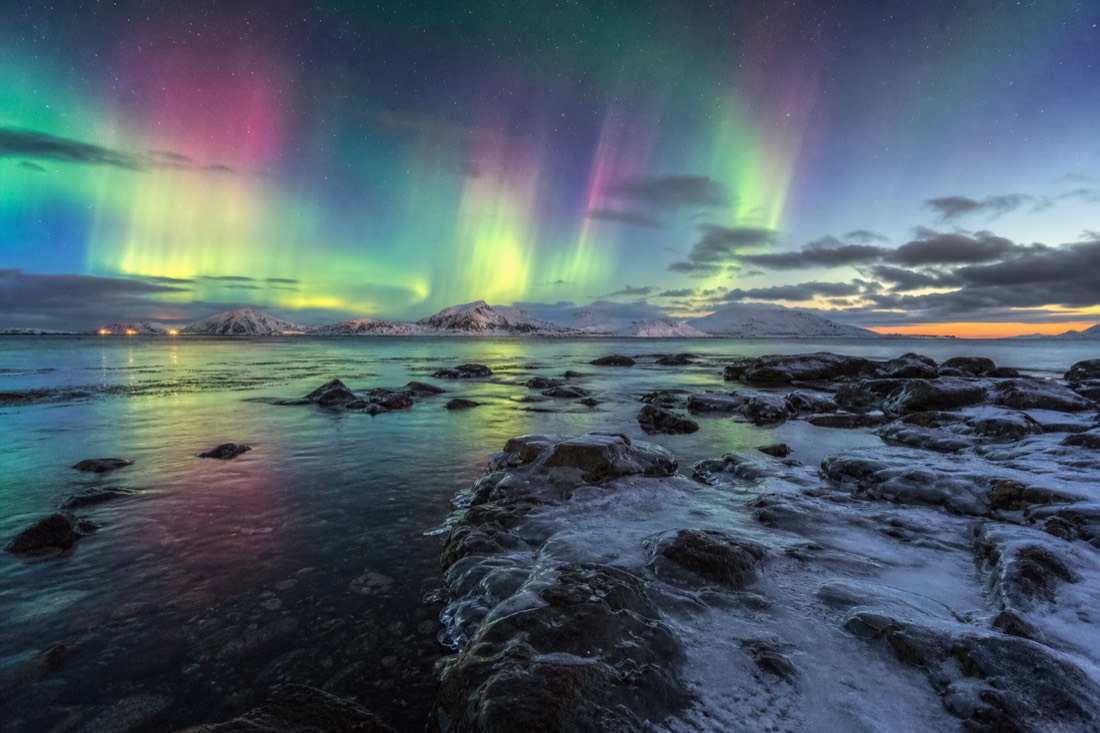
Solar cycles run roughly eleven years, and what matters for a traveller is where you sit relative to the peak. Activity can continue after a maximum, but a cycle-wide description does not predict a particular night in Tromsø.
None of that makes a sighting certain. The aurora is never guaranteed on any given night, and any operator promising otherwise is selling something. What a strong solar cycle changes is the base rate: more nights with something visible, and more nights where a moderate display becomes a memorable one.
Where In Norway Should You Base Yourself?
Tromsø is the default for good reasons: direct flights of under two and a half hours from Oslo, a large tour fleet, and a position under the auroral oval. Alta and inland Finnmark are drier and clearer. Lofoten gives the best foreground scenery but the most unstable weather.
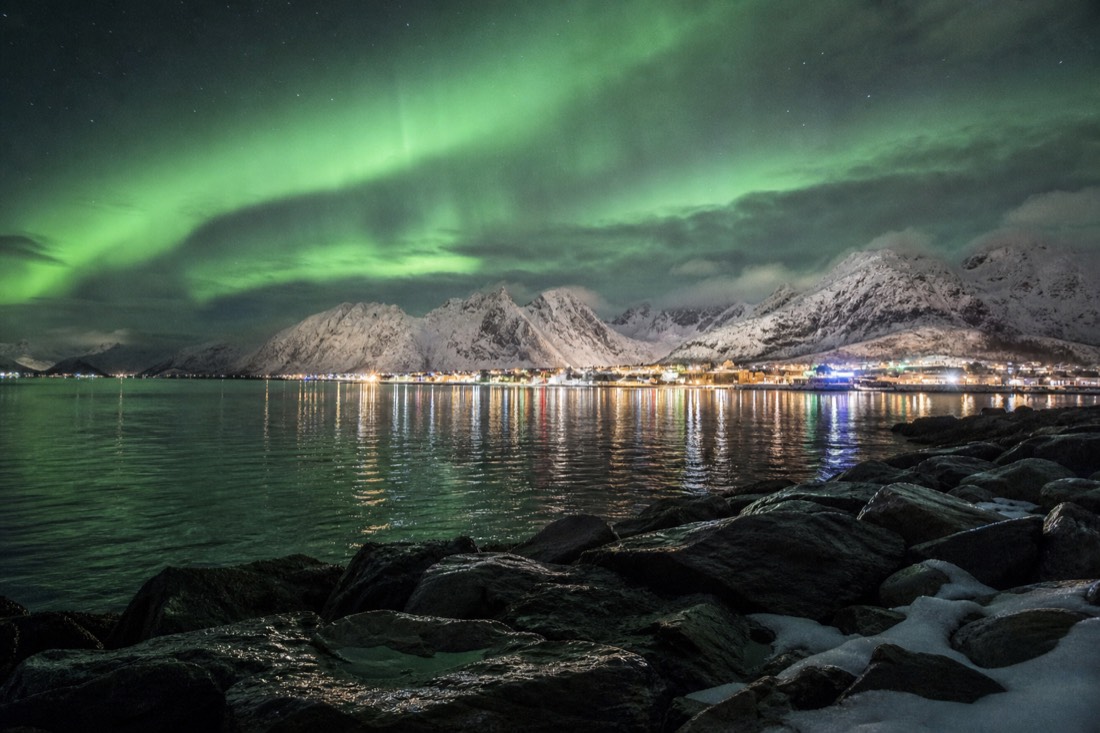
Tromsø's real advantage is not its latitude, it is its logistics. Because dozens of operators run chase tours from the same city every night, guides pool cloud information and drive to wherever the gap is, sometimes crossing into Finland or Sweden to find it. That mobility is worth more than a slightly higher latitude with no way to escape a cloud bank.
Inland bases are drier because the coastal mountains take the weather out of the incoming Atlantic air. If you can add a couple of nights inland to a Tromsø stay, do it. The city itself is worth days in its own right, which we cover in things to do in Tromsø.
How Much Do The Moon, Cloud And Light Pollution Matter?
Cloud is the decisive factor, by a distance. A moderate aurora is easily bright enough to show through a full moon, so moon phase is a minor consideration. City light matters enough that you should leave town, which is exactly what an organised chase does for you.
| What to check | What you want to see | Where we check it |
|---|---|---|
| Cloud cover, hour by hour | Gaps of clear sky within driving range | yr.no and met.no |
| Geomagnetic activity | Kp 3 and above is plenty at Tromsø's latitude | Aurora forecast services, updated hourly |
| Moon phase | Any phase is workable; a dark moon helps photography | Standard almanac data |
| Light pollution | 20 to 40 minutes outside town is usually enough | Tour routing, or your own map |
| Your own eyes | Grey-white arcs to the naked eye are aurora; camera shows the green | Look north, low, and give it twenty minutes |
Cloud is worth checking obsessively rather than casually, because a two-hour drive frequently gets you out from under it, and the Norwegian Meteorological Institute at met.no publishes the same forecast data the tour operators are reading. That last row catches out more first-timers than anything else. A weak aurora reads as a pale grey band that people mistake for cloud, and the colour only saturates in a long exposure. Guides carry cameras partly to prove to their group that the smudge overhead is the thing they came for.
Which Tour Format Actually Improves Your Chances?
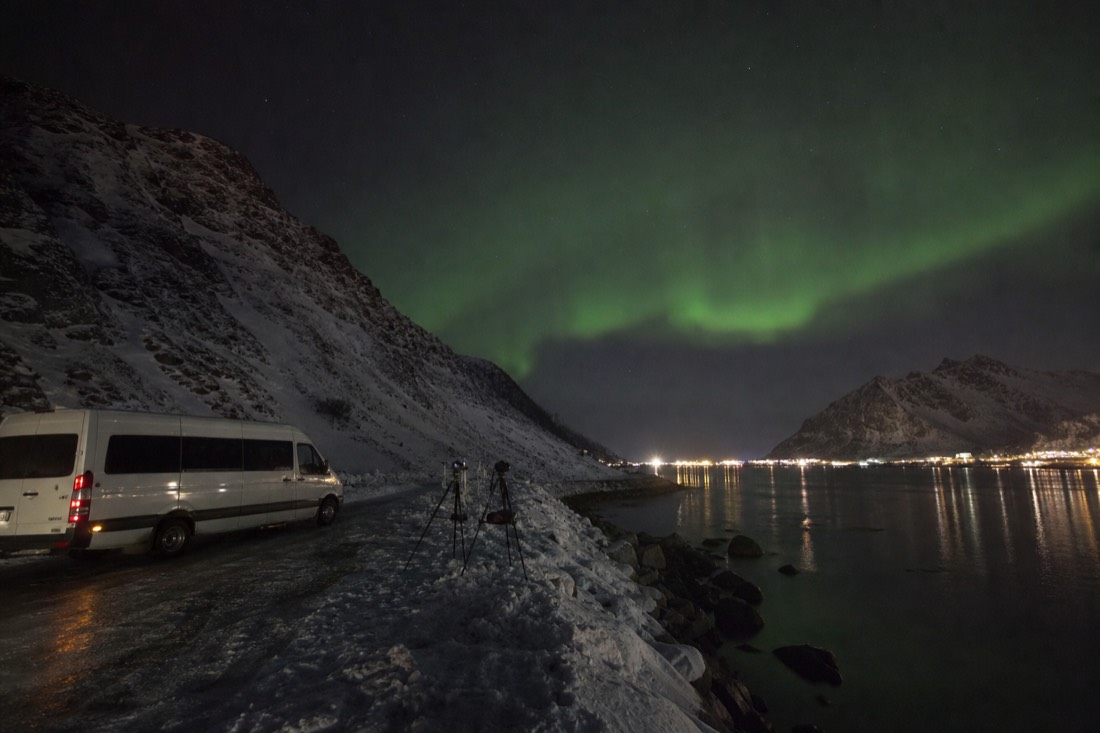
The chase format. A minibus or coach can respond to the weather forecast and search different locations, unlike a fixed viewing camp. Look for thermal suits, hot drinks, a photographer on board and a stated willingness to cross borders.
| Reviewed experience | Duration | Inclusions and limits |
|---|---|---|
| Tromsø aurora safari | 6–9 hours | Guide, photographer and warm drinks; confirm clothing and footwear for the selected option; no sighting guarantee |
| Silent whale cruise | 7–9 hours | Tromsø sea outing; food and drinks cost extra; seasonal and weather dependent |
| Arctic fjord cruise | 4 hours | Daytime scenery from Tromsø; not a whale or aurora guarantee |
Related planning: Tromsø aurora options.
What Time Of Night Do The Lights Usually Appear?
Most commonly between roughly 6pm and 2am, with the hours either side of midnight the strongest bet. That is why chase tours depart in the early evening and return in the small hours rather than running at a convenient time.
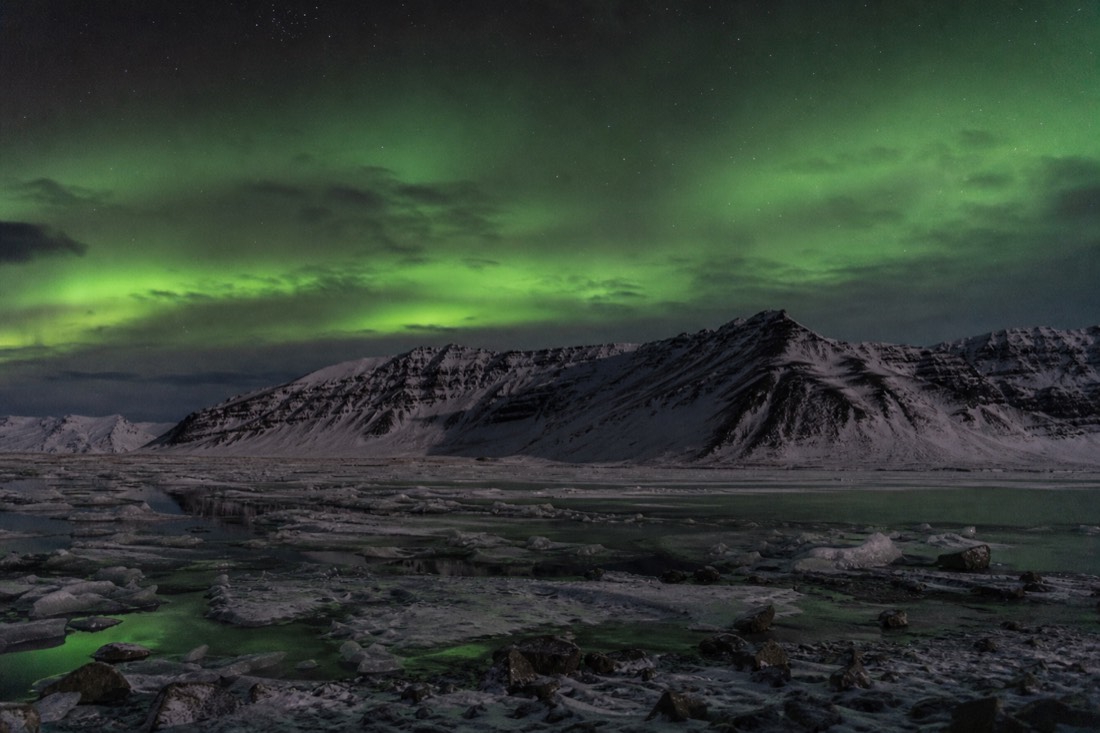
The aurora is not strictly nocturnal in the way people assume; it is happening whenever the sky is dark enough to reveal it. In practice that means the usable window is set by darkness, and activity tends to concentrate around magnetic midnight.
| Time | Typical activity |
|---|---|
| Before 6pm | Sky often not dark enough outside deep winter |
| 6pm to 9pm | Displays possible; tours depart in this window |
| 9pm to 1am | The strongest and most reliable period |
| 1am to 3am | Activity continues; tours returning |
| After 3am | Possible, but few tours run this late |
It also explains why tours look so long on paper. A six-to-nine-hour aurora chase is not six hours of watching the sky; it is a departure in the early evening, potentially hours of driving toward clear weather, a stop of unpredictable length, and the drive home.
This is the practical reason an early flight the next morning is a mistake. A chase that returns at two in the morning costs you the following day as well, which is worth building into the itinerary rather than discovering.
Can You Photograph The Aurora With A Phone?
Modern phones with a night mode manage it surprisingly well, given something to brace against. The limitation is not the sensor any more, it is holding still: a few seconds of exposure needs a rest, a small tripod or a steady rock.
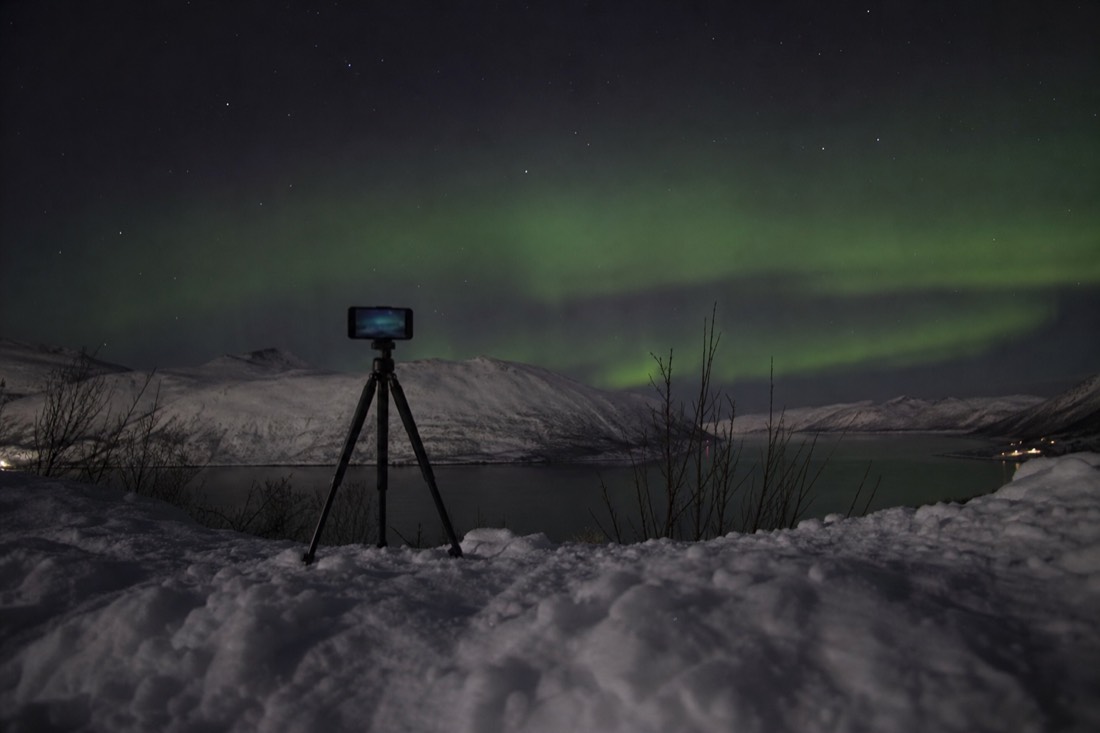
Phone cameras have closed most of the gap for aurora photography in the last few years, which changes what is worth packing. A full camera kit is no longer necessary to come home with a usable image, though it still produces a better one.
| Setup | Result | What you need |
|---|---|---|
| Phone handheld | Usually blurred | Nothing; expect little |
| Phone braced on a rock or bag | Often good | Somewhere to rest it |
| Phone on a compact tripod | Reliably good | A small travel tripod |
| Camera on a tripod | Best quality | Manual settings and warm hands |
| Any setup, gloves off | Cold hands fast | Thin liner gloves |
Two practical notes: cold flattens phone batteries quickly, so keep the phone warm in an inside pocket between shots, and many tours include professional photos of your group, which removes the pressure entirely.
What Do The Aurora Forecasts Actually Tell You?
Less than people hope. Geomagnetic forecasts indicate whether activity is likely, but cloud cover decides whether you see anything, and cloud is far harder to forecast at range. On most nights the weather matters more than the solar data.
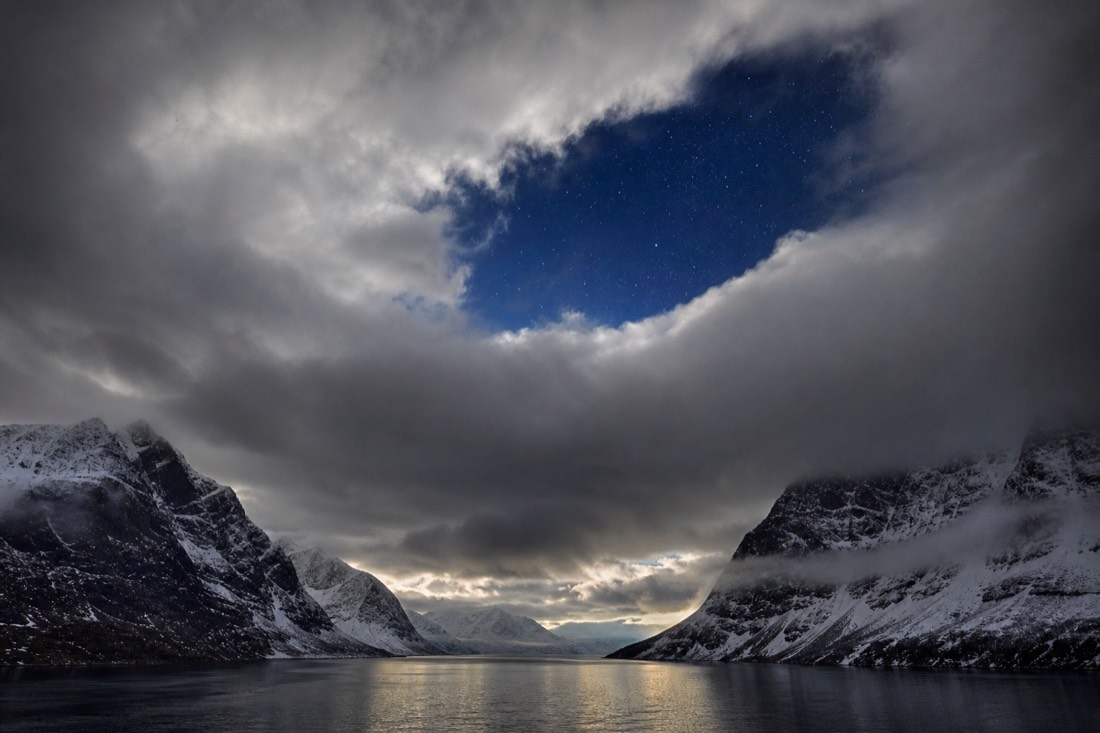
Travellers put considerable faith in aurora apps and then feel misled. The forecasts are not wrong; they measure one of two necessary conditions, and the other one is ordinary weather.
| Input | What it tells you | How much it decides |
|---|---|---|
| Geomagnetic activity | Whether aurora is likely somewhere | Necessary, not sufficient |
| Cloud cover forecast | Whether you could see it locally | Usually the deciding factor |
| Solar cycle | Background odds across a season | Variable; use current forecasts |
| Moon phase | How washed out faint displays look | Minor |
| Light pollution | Local visibility | Solved by driving 20 minutes |
A fixed camp commits you to whatever sits overhead; a minibus does not.
This is the entire argument for a mobile chase rather than a fixed viewing camp. A tour that drives for hours toward a hole in the cloud is solving the variable that actually decides the night, which no forecast app can do for you.
What Else Can You Do If The Sky Refuses To Cooperate?
Compare daytime Arctic experiences that do not require an aurora sighting: whale watching from late October to January, husky sledding, the Fjellheisen cable car and fjord sightseeing. A trip built only around aurora has nothing left when cloud settles in for a week.
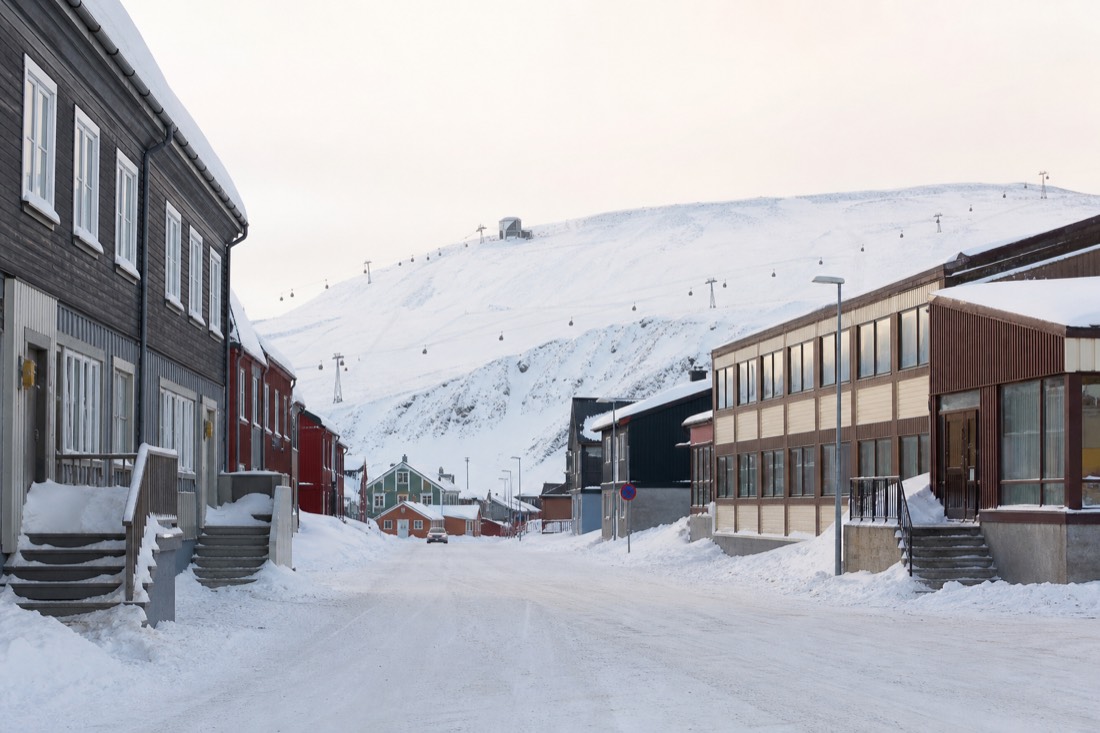
This is the difference between a disappointing Arctic week and a good one, and it is decided at the booking stage rather than on the night. Cloud can sit over the coast for days, and no amount of chasing solves a regional weather system.
| Activity | Weather dependent? | Season |
|---|---|---|
| Husky sledding | Snow and weather dependent | Winter |
| Whale watching | Sea state matters, not cloud | Late Oct to end Jan |
| Fjellheisen cable car | Wind and visibility can affect operation | Year-round |
| Arctic Cathedral and museums | Not at all | Year-round |
| Fjord sightseeing | Sailing and route depend on weather | Year-round |
| Reindeer and Sami cultural visits | Outdoor elements depend on weather | Winter |
Booked that way, a cloudy week still contains huskies, whales and a cable car, and the aurora becomes a possibility across three evenings rather than the single thing the trip depends on.
The corollary is to book the aurora attempt for your first available night rather than your last. Cancellation terms have deadlines; an operated tour remains payable even if no aurora appears, and it leaves the rest of the week in reserve.
How Does The Aurora Look To The Eye Compared With The Camera?
Fainter, and often grey rather than green. Cameras collect light over seconds; your eyes do not. A display that photographs as vivid green can appear to the naked eye as a pale, slow-moving band, which is the single most common source of disappointment.
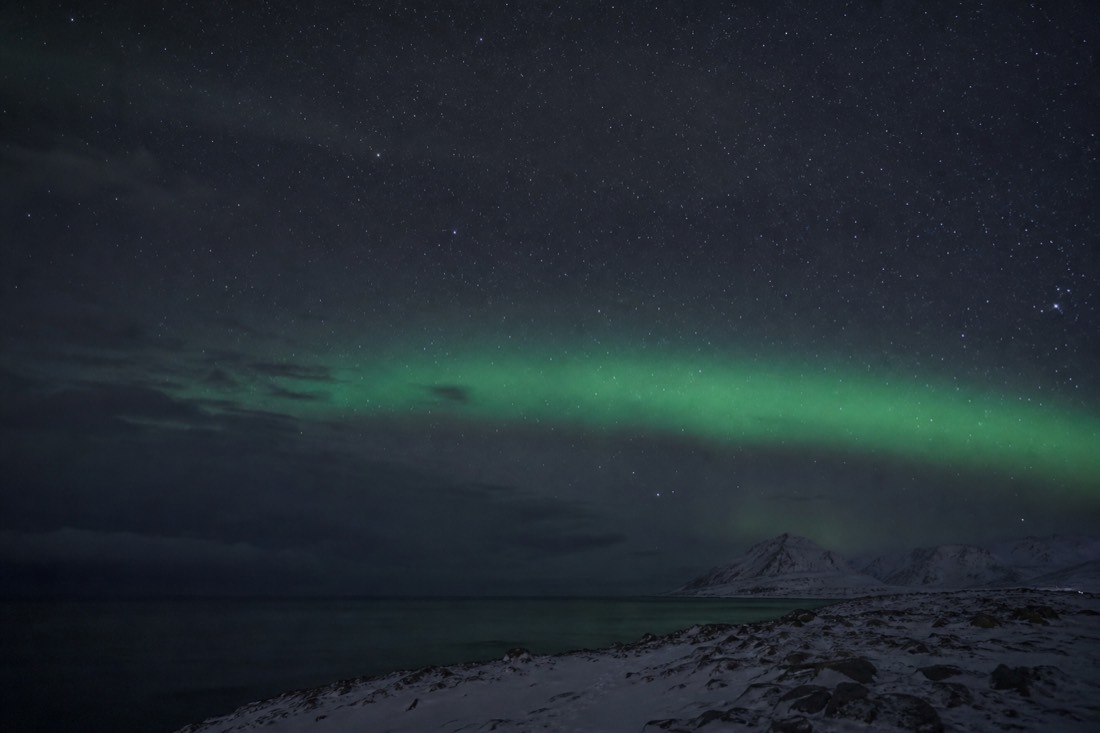
Managing this expectation before the trip matters more than any booking decision. Travellers who arrive expecting the saturated colour of a long-exposure photograph frequently feel short-changed by a display that was, objectively, a good one.
| Strength | To the naked eye | On camera |
|---|---|---|
| Weak | Pale grey band, easily mistaken for cloud | Clear green |
| Moderate | Green visible, gentle movement | Vivid green, structure visible |
| Strong | Bright green, fast movement, arcs | Green with pink and purple edges |
| Very strong | Colour and rapid motion overhead | Full colour; the postcard images |
Long-exposure images also flatten the scale. A display that fills the sky overhead reads as a band across a photograph, which is another reason the in-person experience of a moderate aurora tends to outrank the photographic record of a stronger one.
The compensation is motion. Photographs cannot convey the way a strong display moves across the sky, which is the part most people remember afterwards and the reason a moderate aurora seen in person still beats any image of a spectacular one.
Red headlamps, which most guides carry, preserve night vision far better than white ones.
One practical note: give your eyes twenty minutes away from phone screens and headlights to adapt. Night vision makes a substantial difference to what you can see, and most people spend the wait looking at a bright screen.
How Many Nights Should You Book?
Three or four nights in the Arctic, minimum. One night gives little weather flexibility, while several nights provide more opportunities without a known probability. Book a tour for the first available night rather than the last, so a cancelled or clouded-out attempt can be repeated.
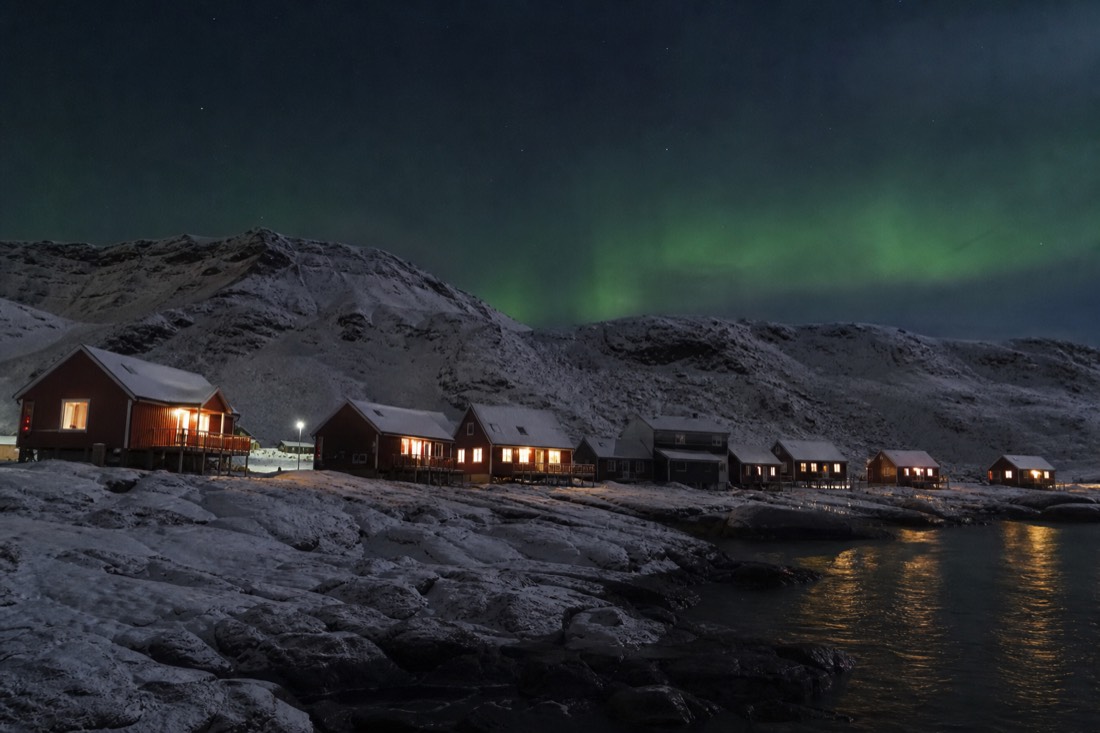
Treat the aurora as the reason to be there, not the itinerary itself. Daylight hours in Tromsø in winter fill easily with whale watching between mid or late October and the end of January, dog sledding, the cable car and the island roads, so a four-night stay is full whether or not the sky performs. Our guide to Norway in winter sets out how those daytime activities stack around the night ones.
One last practical point. Aurora tours run late, often returning between one and three in the morning, and they go out in temperatures well below freezing. Check what the operator supplies, because clothing inclusions differ: the safari’s clothing and footwear depend on the option selected, and read Visit Norway on winter clothing before you assume your ski jacket is enough. If you are still choosing dates, the seasonal trade-offs across the whole country sit in the best time to visit Norway.
Choose Your Norway Experience
Tromsø Northern Lights Chase We Go Where The Lights Appear. Follow a guide and photographer away from Tromsø in search of clearer northern-lights skies. Have a date in mind? Check it before arranging the rest of your Norway trip.
9 hours. Choose the English Classic coach option shown by this schedule. Six to nine hours; up to 45 guests, toilet, photographer and hot drinks. Arrive 30 minutes before departure at your ticket meeting point. Thermal suits, boots and meals depend on the option; confirm before packing. Aurora sightings are not guaranteed.
Choose a date to see scheduled departures. Final availability and price are confirmed on Viator.
No verified experience fits those requirements. Adjust your choices, or keep the independent plan described above.
Compare Options And Fit Your Plans
General recommendation until you choose. Choose the city where the activity starts, not your arrival airport. Month filters describe the experience’s season, not confirmed departures. Allow travel to the meeting point as well as the listed duration. Confirm your exact option and access needs when booking.
- Silent Whale Watching by Hybrid-Electric Boat from Tromsø: 9 hours. Watch for whales from a hybrid-electric boat with indoor viewing lounges and an English-speaking guide. Allow 7–9 hours from Tromsø harbour. Food and drinks are sold on board. Wildlife sightings and the route depend on conditions.
- Cross-Country Ski Lesson for Beginners in Tromso: 3 hours. Learn cross-country skiing with an instructor, ski equipment and transport from central Tromsø. Ages 12+. Meet at Tromsø Outdoor, Fredrik Langes gate 14. Send your EU shoe size when booking. Winter clothing and hotel pickup are not included; inadequate snow may mean an alternative or refund.
- Half Day Arctic Fjord Cruise from Tromso: 4 hours. Explore Arctic fjords on a hybrid-electric boat with an English-speaking guide. Four hours from the pier beside Skarven Kro, Kaigata 6; arrive 15 minutes early. Food and drinks cost extra. Stops and underwater-drone use depend on conditions. This is a daytime fjord cruise, separate from whale watching or midnight sun.